- by Daily Talkin Staff
- July 8, 2026
-

-
-
Loading
Loading
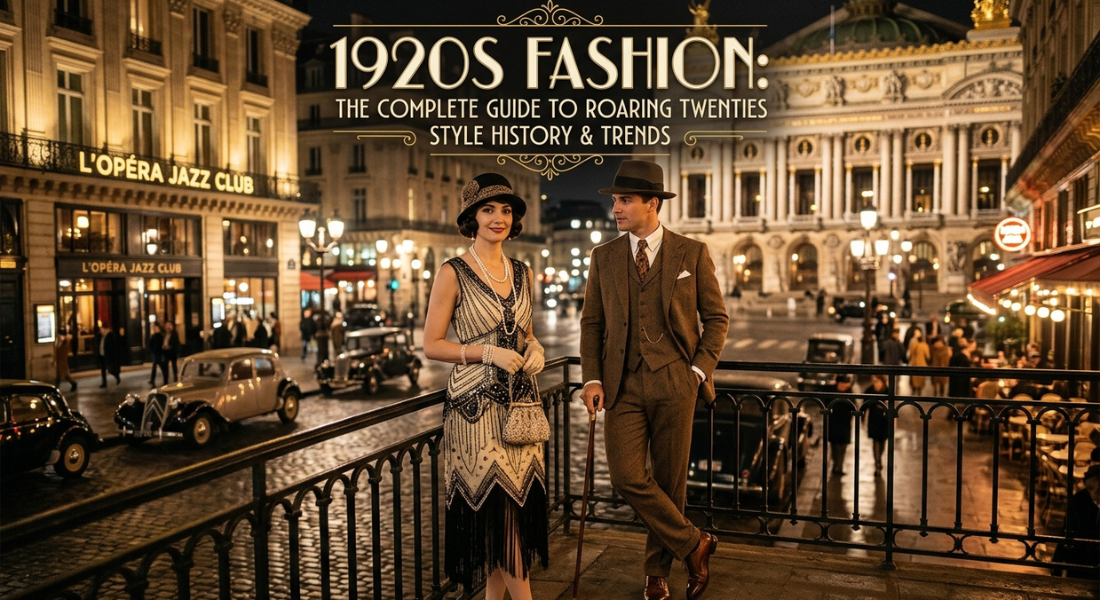
1920s fashion was defined by relaxed silhouettes, drop waist dresses, flapper style, bob hairstyles, cloche hats, tailored menswear, Art Deco influences, and the cultural freedom of the Roaring Twenties.
It reflected a major shift away from restrictive Victorian clothing towards modern, practical, and expressive styles.
This guide explores how 1920s fashion evolved throughout the decade the social and cultural changes that shaped it the designers and style icons who influenced global trends, and why its legacy continues to inspire fashion today.

1920s fashion refers to the clothing, hairstyles, accessories, footwear, and design trends popular between 1920 and 1929.
Shaped by post World War I optimism, the Jazz Age, Art Deco, and changing social attitudes it became one of the most influential periods in fashion history introducing styles that still inspire designers and wardrobes today.
Discover what defined 1920s fashion and why it transformed clothing history.
Learn how social change reshaped men's and women's wardrobes during the Roaring Twenties.
Explore the decade's defining silhouettes, fabrics, colours, and Art Deco influences.
Understand how fashion evolved between 1920 and 1929.
Meet the designers and cultural icons who shaped global style.
Find links to dedicated guides covering hairstyles, makeup, dresses, accessories, jewellery, and more.
1920s fashion emerged after the First World War and marked a major shift towards lighter more practical clothing.
Women adopted drop waist dresses, shorter hemlines, bob hairstyles, and cloche hats while men embraced relaxed tailoring, tweed suits, and sports inspired styles that defined the Roaring Twenties.
The 1920s marked a decisive shift away from the restrictive clothing of earlier decades. Corsets gradually disappeared from everyday wear, making comfort, movement, and simpler silhouettes the new standard.
The decade also accelerated the growth of ready to wear fashion. Advances in textile production and influential designers made stylish clothing more accessible, while modern cuts and fabrics reshaped everyday wardrobes.
Rapid urbanisation, technological progress, and changing social values helped fashion spread quickly across Europe and North America. These changes established trends that continue to influence fashion today.
Fashion in the 1920s reflected major social change as much as new design trends. More women entered the workforce, gained greater independence, and adopted active lifestyles creating demand for practical clothing that offered comfort and freedom of movement.
At the same time, silent films, jazz clubs, magazines, and department stores helped popularise new styles allowing fashion trends to spread rapidly across different regions.
Economic prosperity during much of the decade also encouraged self expression. Clothing became a symbol of confidence, modernity, and individuality rather than simply reflecting social status.
Paris led fashion innovation while London influenced menswear tailoring and New York expanded ready to wear fashion through retail and media.
Cinema, magazines, and international travel helped spread trends like flapper dresses, cloche hats, Art Deco jewellery, and bob hairstyles worldwide.
These influences made the Roaring Twenties one of the most significant fashion eras, with a lasting impact on modern design and vintage style.
Fashion changed dramatically during the 1920s as society evolved after World War I. Economic growth, advances in manufacturing, and changing gender roles encouraged lighter, simpler, and more practical clothing for everyday life.
Cinema, fashion magazines, department stores, and celebrity culture also spread new trends rapidly across continents helping 1920s fashion become one of the first global style movements.
The First World War transformed everyday life and reshaped fashion. As women took on new roles practical clothing replaced restrictive corsets and heavily structured garments.
Material shortages also encouraged simpler tailoring and less decoration. These wartime changes continued into the 1920s making comfort and functionality lasting features of modern fashion.
The 1920s brought greater educational opportunities, employment, and social freedom for many women. Fashion evolved to reflect this shift favouring clothing that supported confidence and independence.
Shorter skirts, sleeveless dresses, practical footwear, and relaxed silhouettes offered greater freedom of movement. While not every woman embraced the flapper lifestyle the decade firmly linked fashion with personal expression.
Jazz transformed nightlife and influenced clothing designed for dancing. Fringe, beading, sequins, and flowing fabrics became popular because they enhanced movement on dance floors.
Silent film stars such as Louise Brooks and Clara Bow popularised new hairstyles and fashion trends while magazines and department stores helped spread these styles to audiences worldwide.
Art Deco shaped 1920s fashion through geometric patterns, metallic details, and bold decorative motifs inspired by modern architecture and design.
Designers embraced luxurious beadwork, embroidery, and striking colour combinations creating elegant styles that remain influential in contemporary eveningwear and accessories.
Paris remained the heart of haute couture with designers such as Coco Chanel, Jeanne Lanvin, Jean Patou, and Madeleine Vionnet redefining women's fashion through innovative designs.
London continued to set the standard for bespoke menswear while Savile Row became synonymous with exceptional tailoring.
At the same time New York expanded ready to wear fashion through department stores, manufacturers, and influential publications making stylish clothing accessible to a wider audience.
For more on haute couture and historical garments explore the Victoria and Albert Museum Fashion Collection a leading resource for fashion history and textile research.
Although the Roaring Twenties is often viewed as a single fashion era styles evolved significantly between 1920 and 1929.
Early designs retained Edwardian influences while later years embraced streamlined silhouettes, Art Deco details, and a distinctly modern aesthetic.
Understanding this progression explains why the decade remains one of the most influential periods in fashion history.
The decade began with a gradual transition from the 1910s. Dresses became looser, skirts remained below the calf, and decoration was relatively understated.
Early cloche hats and shorter hairstyles gained popularity while men largely wore three piece suits with softer tailoring and lighter fabrics.
By the mid 1920s the decade's signature look had emerged. Drop waist dresses, tubular silhouettes, bob hairstyles, and Art Deco embellishments became widely recognised across Europe and North America.
Sportswear also gained popularity for men, with Oxford bags, plus fours, tweed jackets, and knitwear becoming common for leisure and everyday wear.
By the late 1920s fashion embraced greater glamour. Higher hemlines, intricate beadwork, and Art Deco inspired eveningwear reflected the era's confidence and sophistication.
Luxury fashion houses and Hollywood helped spread these styles internationally shaping trends that continued into the 1930s.
1920s fashion evolved gradually through experimentation, cultural exchange, and advances in manufacturing. Designers adapted to changing lifestyles while consumers embraced clothing that combined elegance with everyday practicality.
The decade showed how fashion could reflect social change as well as personal style establishing trends that influenced fashion long after the Roaring Twenties ended.

The defining features of 1920s fashion reflected a shift from restrictive Victorian clothing to styles that prioritised comfort, movement, and modern elegance.
Designers replaced tightly fitted corsets and full skirts with straighter silhouettes shorter hemlines, luxurious fabrics, and distinctive Art Deco detailing.
Although trends evolved throughout the decade key design elements such as drop waist dresses, tubular shapes, decorative embellishments, and refined accessories remained central to the era's instantly recognisable style.
The drop waist silhouette became one of the defining features of 1920s fashion. By lowering the waistline to the hips dresses created a longer straighter profile that offered greater comfort and freedom of movement.
The style reflected changing beauty ideals that favoured youthful athletic figures and became a hallmark of both daywear and elegant evening dresses.
Skirt lengths gradually rose throughout the decade moving from ankle length in the early 1920s to just below the knee by the end of the era. Contrary to popular belief dresses rarely extended above the knee.
Shorter hemlines improved mobility while showcasing fashionable stockings and footwear symbolising a shift towards greater independence and modern living.
The tubular silhouette replaced the traditional hourglass figure with a clean straight shape that relied on draping and lightweight fabrics rather than structured tailoring.
This minimalist approach reflected Art Deco influences and allowed decorative details such as embroidery and beading to become the focus of many garments.
Flowing lightweight fabrics helped define the elegance of 1920s clothing while improving comfort and movement.
Popular materials included silk, satin, velvet, chiffon, jersey, wool, and tweed each chosen to suit different occasions, seasons, and levels of formality.
Fashion combined timeless neutrals with rich jewel tones, including emerald green, sapphire blue, ruby red, gold, and silver.
Art Deco inspired geometric patterns, chevrons, zigzags, and sunburst motifs became signature decorative elements across clothing, jewellery, and accessories.
Intricate beadwork, sequins, embroidery, and metallic thread gave eveningwear its distinctive glamour. Fringe was especially popular because it enhanced movement during energetic dances such as the Charleston.
These decorative techniques remain influential in modern eveningwear and vintage inspired fashion collections.
1920s fashion was shaped by visionary designers and public figures who introduced modern silhouettes, practical clothing, and refined craftsmanship.
Through cinema, magazines, and public appearances, designers, actresses, performers, and royalty helped turn fashion into a global cultural movement.
Gabrielle "Coco" Chanel revolutionised women's fashion by replacing restrictive corsets with relaxed tailoring, jersey fabrics, and practical separates.
Her introduction of the Little Black Dress in 1926 became one of fashion's most enduring designs while her focus on simplicity and timeless elegance continues to shape modern wardrobes.
Jeanne Lanvin was celebrated for refined craftsmanship and feminine elegance. Her signature Robe de Style, luxurious fabrics, and delicate embroidery offered an alternative to the decade's straight silhouettes establishing Lanvin as one of France's most respected couture houses.
Jean Patou combined luxury with sportswear designing elegant clothing suited to active lifestyles. His collaboration with tennis champion Suzanne Lenglen helped make fashionable sportswear an accepted part of everyday dress.
Madeleine Vionnet pioneered innovative draping and the bias cut creating garments that flowed naturally with the body. Her emphasis on movement and fluid silhouettes continues to influence couture fashion.
Paul Poiret helped lay the foundations of 1920s fashion by abandoning corsets and embracing flowing garments, bold colours, and artistic design. His early innovations encouraged a more modern approach to women's clothing.
Entering fashion in the late 1920s Elsa Schiaparelli became known for bold colours imaginative embellishments, and artistic collaborations. Her experimental designs established her as a pioneer of avant garde fashion.
Josephine Baker became an international style icon through her performances in Paris where glamorous costumes, elegant hairstyles, and striking jewellery influenced eveningwear and challenged traditional beauty standards.
Silent film star Louise Brooks popularised the sleek black bob haircut that became one of the decade's defining beauty trends. Her sophisticated style continues to inspire vintage fashion and cinema.
Known as the original "It Girl" Clara Bow helped popularise youthful flapper fashion through her films making modern clothing and beauty trends appealing to audiences worldwide.
The Prince of Wales set international standards for men's style with his preference for tweed jackets, patterned suits, plus fours, and relaxed tailoring. His wardrobe helped establish many elements of classic British menswear.
Fashion in the 1920s evolved alongside major cultural changes. Music, cinema, art, literature, and sport reshaped ideas about identity and self expression making clothing a symbol of modern life rather than social status alone.
As radio, magazines, and films reached wider audiences new styles spread rapidly across Europe and North America turning fashion into a global cultural movement.
The Harlem Renaissance celebrated African American art, music, and literature while influencing fashion through elegant tailoring, glamorous eveningwear, and performance costumes.
Cultural figures such as Josephine Baker, Duke Ellington, and Langston Hughes helped shape the decade's distinctive style and identity.
Jazz transformed nightlife and inspired clothing designed for movement. Fringed dresses, lightweight fabrics, sparkling embellishments, and comfortable footwear became popular as people embraced energetic dances such as the Charleston.
Hollywood became a powerful source of fashion inspiration. Film stars including Clara Bow, Louise Brooks, Gloria Swanson, and Greta Garbo popularised glamorous clothing, sophisticated hairstyles, and bold makeup that audiences quickly adopted.
Growing interest in tennis, golf, rowing, and travel increased demand for comfortable yet stylish clothing. Designers embraced sportswear while athletes such as Suzanne Lenglen proved that practical performance clothing could also be fashionable.
The Charleston directly influenced fashion by encouraging dresses with fringe, beadwork, and lightweight fabrics that enhanced movement. Practical footwear such as T strap and Mary Jane shoes also became closely associated with the era.
Although flapper fashion often defines the era everyday 1920s fashion varied according to occupation, social class, season, and occasion.
Most people owned separate outfits for work, leisure, formal events, and evening entertainment, reflecting both practicality and the growing popularity of ready to wear clothing.
Women's daywear featured simple dresses, cloche hats, practical shoes, and lightweight coats. Men typically wore tailored suits, waistcoats, ties, and polished leather shoes for work and daily activities.
Evening occasions called for elegant gowns, luxurious fabrics, intricate beadwork, and refined accessories while men favoured formal suits or tuxedos for theatres, restaurants, and social events.
Workwear balanced professionalism with comfort. Women increasingly chose practical dresses and separates while men continued wearing tailored business suits suitable for office environments.
As leisure activities became more popular, sportswear included knitted jumpers, pleated skirts, blazers, Oxford bags, plus fours, and comfortable footwear designed for both style and movement.
Formal occasions required polished attire, including evening gowns, tuxedos, opera gloves, elegant jewellery, and tailored outerwear that reflected established dress codes.
Winter wardrobes relied on wool, tweed, and velvet while summer clothing favoured lighter fabrics such as linen, cotton, silk, and jersey to remain comfortable without sacrificing style.
1920s fashion relied on carefully chosen fabrics, colours, and decorative materials to balance elegance with comfort. Lightweight textiles, rich textures, and Art Deco inspired palettes created the decade’s distinctive style while advances in textile production made fashionable materials more accessible.
Silk represented luxury throughout the decade and appeared in everything from evening gowns to scarves and lingerie. Its lightweight drape perfectly complemented the relaxed silhouettes popular during the era.
Velvet added richness to winter fashion through coats, capes, evening dresses, and accessories. Its soft texture reflected sophistication while providing warmth during colder months.
Popularised by Coco Chanel jersey transformed everyday fashion by introducing comfortable fabrics traditionally reserved for menswear. It became synonymous with practical elegance.
Satin offered a smooth, glossy finish ideal for evening dresses, formal gowns, and luxurious accessories. Its reflective surface enhanced Art Deco embellishments beautifully.
Wool remained essential for tailoring, coats, knitwear, and men's suits. Tweed and flannel became particularly fashionable due to their durability and association with British country style.
Fashion embraced both timeless neutrals and dramatic jewel tones. Popular colours included black, ivory, navy, emerald green, sapphire blue, burgundy, gold, silver, blush pink, and soft champagne.
Art Deco influenced countless garments through bold geometric decoration. Common motifs included zigzags, chevrons, fan shapes, sunbursts, stylised florals, and symmetrical linework that reflected the era's fascination with modern design.

The influence of 1920s fashion extends far beyond vintage clothing. Relaxed tailoring, Art Deco detailing, elegant embellishments, and practical silhouettes introduced during the Roaring Twenties continue to shape contemporary fashion.
From luxury runways to everyday wardrobes elements such as drop waist dresses, pearls, tweed tailoring, and bob hairstyles are regularly reinterpreted proving the decade's enduring appeal.
The glamour of the Roaring Twenties frequently appears on red carpets through beaded gowns, sequins, fringe, metallic embroidery, and flowing silhouettes inspired by Jazz Age eveningwear.
Events such as the Met Gala, Academy Awards, and Cannes Film Festival regularly showcase modern interpretations of flapper dresses, Art Deco jewellery, and vintage Hollywood styling.
Fashion houses including Chanel and Lanvin continue to reinterpret 1920s design principles through refined tailoring, geometric embellishments, luxurious fabrics, and timeless silhouettes adapted for modern collections.
Bridal fashion continues to embrace 1920s elegance through beaded gowns, lace, pearl embellishments, flowing silhouettes, and Art Deco inspired accessories. These details remain popular for their timeless sophistication and vintage charm.
Growing interest in vintage fashion has renewed appreciation for authentic 1920s garments and modern reproductions. Museum exhibitions, historical films, and television dramas have introduced a new generation to the craftsmanship and style of the Jazz Age.
Although few people dress exactly as they did in the 1920s many everyday trends reflect the era's lasting influence. Relaxed tailoring, straight cut dresses, pearl jewellery, Oxford shoes, bob hairstyles, and heritage fabrics continue to appear in modern wardrobes without looking overtly vintage.
Many beliefs about 1920s fashion come from films and costume parties rather than historical evidence. While these portrayals capture the glamour of the era they often overlook how most people dressed in everyday life.
Understanding these myths provides a more accurate view of the Roaring Twenties and highlights the diversity of styles beyond the iconic flapper image.
No While American films helped spread trends 1920s fashion was an international movement. Paris led haute couture, London influenced menswear tailoring, and New York expanded ready to wear fashion with similar styles appearing across Europe and beyond.
No Although black had long been associated with mourning Coco Chanel's Little Black Dress redefined it as a symbol of elegance and versatility. By the mid 1920s black had become a fashionable choice for both daywear and eveningwear.
Men's fashion in the 1920s combined classic tailoring with greater comfort. Two piece and three piece suits, tweed jackets, Oxford bags, plus fours, and polished accessories defined the era, while Savile Row influenced tailoring standards worldwide. These styles laid the foundation for modern menswear.
For a complete breakdown of men's tailoring, clothing, shoes and accessories, read our full guide on 1920s Men's Fashion →
Women's fashion in the 1920s embraced relaxed silhouettes, drop waist dresses, shorter hemlines, and elegant eveningwear that reflected changing lifestyles and greater independence.
While flapper style became iconic everyday fashion remained varied across different occasions and social groups.
Want to explore the topic in more detail? Read our complete guide to 1920s Women's Fashion →
1920s makeup was defined by pale skin, smoky eyes, thin eyebrows, and bold cupid's bow lips. Inspired by Hollywood stars and fashion magazines these glamorous beauty trends perfectly complemented the decade's elegant clothing and remain popular in vintage inspired looks today.
Want to explore the topic in more detail? Read our complete guide to 1920s Makeup →
The iconic bob haircut defined 1920s hairstyles, while finger waves, Marcel waves, and kiss curls reflected the decade's elegant style.
Paired with cloche hats and decorative hair accessories these looks became lasting symbols of modern femininity and vintage glamour.
Want to explore the topic in more detail? Read our complete guide to 1920s Hairstyles →
1920s dresses featured relaxed silhouettes, drop waist designs, flowing fabrics, and elegant embellishments such as beadwork, embroidery, and fringe.
From simple day dresses to glamorous evening gowns they captured the style and sophistication of the Roaring Twenties.
Want to explore the topic in more detail? Read our complete guide to 1920s Dresses →
1920s shoes combined elegance with comfort. Women favoured Mary Janes and T strap heels while men commonly wore Oxford shoes, brogues, and spectator styles. Many of these timeless designs continue to influence modern footwear today.
Want to explore the topic in more detail? Read our complete guide to 1920s Shoes →
1920s jewellery showcased Art Deco elegance through long pearl necklaces, diamond brooches, cocktail rings, chandelier earrings, and ornate bracelets. These bold yet sophisticated designs completed both daytime and evening looks leaving a lasting influence on modern jewellery.
Want to explore the topic in more detail? Read our complete guide to 1920s Jewelry →
Accessories were essential to completing a 1920s outfit. Cloche hats, opera gloves, pearl necklaces, decorative handbags, silk scarves, and embellished headbands added elegance while reflecting the era's Art Deco style and attention to detail.
Want to explore the topic in more detail? Read our complete guide to 1920s Accessories →
The Great Gatsby helped popularise the glamour of 1920s fashion through luxurious gowns, tuxedos, sparkling jewellery, and lavish parties.
While inspired by real trends its costumes reflect the lifestyle of wealthy fictional characters rather than everyday fashion of the era.
Want to explore the topic in more detail? Read our complete guide to Great Gatsby 1920s Fashion →
Roaring 20s fashion and 1920s fashion describe the same era but with a slightly different focus. "Roaring Twenties" highlights the decade's jazz culture, nightlife, and social change while "1920s fashion" focuses on the clothing, trends, and style evolution that defined the period.
Want to explore the topic in more detail? Read our complete guide to Roaring 20s Fashion →
For deeper research into 1920s fashion history reliable sources include:
Fashion: The Definitive History of Costume and Style: DK Publishing
The House of Chanel historical publications
Vogue Archive (1920 to 1929 editions)
The Complete Costume History – Auguste Racinet
Exhibition catalogues from major fashion museums
These resources provide insights into designers, textiles, construction methods, and the cultural impact of the decade.
The decline of everyday corsets changed women's clothing construction and encouraged more relaxed silhouettes.
Coco Chanel introduced the Little Black Dress in 1926, helping establish black as a modern fashion choice.
Ready to wear clothing expanded during the late 1920s, making fashionable garments more accessible.
The 1925 Paris Exposition popularised Art Deco, influencing fashion, jewellery, and decorative design.
1920s fashion shaped the foundation of modern style through innovation, cultural change, and creative expression. From drop waist dresses and Art Deco details to tailored menswear and iconic accessories the decade introduced design ideas that still influence fashion today.
Whether exploring fashion history or creating a vintage inspired wardrobe understanding the Roaring Twenties reveals how clothing evolved into a form of individuality and identity.
Explore our guides on 1920s men's fashion, women's fashion, dresses, hairstyles, makeup, shoes, jewellery, accessories, Great Gatsby fashion, and Roaring 20s fashion for deeper insights.
Social changes, women's independence, new technology, jazz culture, and Art Deco influences made fashion more practical and expressive.
Men commonly wore tailored suits, waistcoats, tweed jackets, Oxford bags, leather shoes, ties, and felt hats.
Key designers included Coco Chanel, Jeanne Lanvin, Jean Patou, Madeleine Vionnet, and Paul Poiret who shaped modern fashion.
The bob represented independence and modernity while offering a practical style for changing lifestyles.
Use vintage inspired pieces like drop waist dresses, tweed suits, pearls, cloche hats, and period style hairstyles or makeup.



Reader Discussion
Leave a Reply