- by Daily Talkin Staff
- July 8, 2026
-

-
-
Loading
Loading
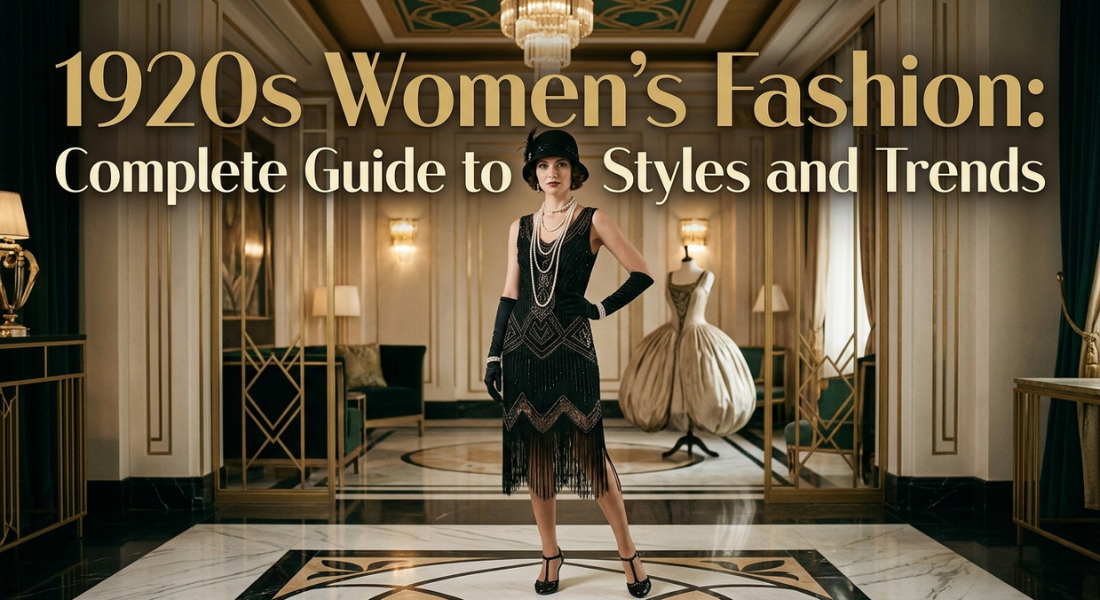
1920s women's fashion introduced relaxed silhouettes, shorter dresses, cloche hats, bob hairstyles, and modern styling that reflected changing lifestyles during the Jazz Age. The decade transformed women's clothing through comfort, movement, and personal expression.
This guide focuses only on women's fashion during the 1920s, covering dresses, accessories, beauty trends, fabrics, and influential styles. For a broader decade wide clothing history, explore our complete 1920s Fashion guide → see the full guide here.
1920s women's fashion introduced relaxed silhouettes, shorter dresses, and practical designs.
Flapper dresses, drop waist styles, and robe de style gowns defined major clothing trends.
Cloche hats, pearl jewellery, and Art Deco accessories completed fashionable outfits.
Bob hairstyles and dramatic makeup became symbols of modern feminine style.
Designers such as Coco Chanel and Jeanne Lanvin influenced the direction of 1920s womenswear.

1920s women's fashion was defined by relaxed shapes, drop waist dresses, shorter hemlines, practical fabrics, and decorative details that replaced the restrictive styles of previous decades.
Women moved away from heavily structured garments and embraced clothing that allowed greater freedom. Dresses became straighter, lighter, and easier to wear for daily activities and social occasions.
According to The Metropolitan Museum of Art’s Costume Institute, 1920s women's garments reflected a shift toward shorter hemlines, relaxed silhouettes, and decorative eveningwear that represented changing ideas of modern femininity.
The shift from corseted clothing changed the way women's bodies were presented through fashion. Designers focused on movement, simplicity, and comfort rather than narrow waistlines.
Straight silhouettes became one of the decade's most recognisable features. Drop waist designs lowered the natural waistline creating a longer less fitted shape that represented modern feminine style.
Comfort became increasingly important as women participated more actively in work, travel, sports, and social events. Clothing needed to look elegant while allowing practical movement.
Modern feminine style developed through simpler designs and decorative details such as beading, embroidery, and geometric patterns that added personality without returning to earlier restrictive shapes.
Women's clothing evolved throughout the decade from transitional post war designs to bold flapper styles, with shorter skirts, simpler shapes, and stronger Art Deco influences becoming popular by the late 1920s.
The decade did not have one single style. Women's clothing changed gradually between 1920 and 1929 as social habits, entertainment, and design preferences developed.
Early 1920s women's fashion still carried influences from previous decades. Skirts remained longer, silhouettes were softer, and many garments maintained traditional decorative elements.
Women often wore dresses with dropped waist influences beginning to appear although fitted shapes and conservative styling remained common during the early years.
Clothing focused on elegance rather than dramatic change. Fabrics such as silk, wool, and lightweight blends allowed designers to create comfortable yet refined outfits.
By the middle of the decade flapper fashion became strongly associated with youthful modern style. Women embraced shorter dresses, relaxed shapes, and clothing designed for dancing and social activities.
Drop waist dresses became highly popular because they created a straight silhouette that differed from earlier fitted designs. Evening dresses often featured beads, fringe, and decorative embellishment.
The rise of jazz clubs and dance culture influenced clothing choices. Garments needed to support movement leading to designs that combined decoration with practicality.
Late 1920s women's fashion featured higher hemlines, stronger geometric patterns, and more noticeable Art Deco influences.
Designers experimented with sharper shapes, metallic details, and streamlined silhouettes. Eveningwear became especially decorative with luxurious fabrics and detailed craftsmanship.
These developments created the foundation for many modern approaches to women's evening fashion where comfort and visual appeal work together.
Women commonly wore drop waist dresses, flapper dresses, robe de style gowns, and practical day dresses. These designs focused on comfort, movement, decoration, and a straighter silhouette compared with earlier feminine styles.
The decade’s dresses reflected changing lifestyles especially as women participated more in social events, travel, work, and entertainment. Clothing became easier to move in while maintaining elegance through details like embroidery and beading.
Drop waist dresses changed the traditional feminine silhouette by lowering the waistline from its natural position. This created a straighter shape that reflected the decade’s preference for simplicity and comfort.
These dresses were available in both daytime and evening styles. Casual versions used lighter fabrics while formal designs included embroidery, beads, and decorative patterns.
The straight silhouette allowed greater freedom of movement compared with earlier fitted garments making it practical for modern lifestyles.
Robe de Style dresses offered a more feminine alternative to the straight shapes popular during the decade. They featured fitted bodices combined with fuller skirts that created a softer appearance.
Designer Jeanne Lanvin helped popularise this style through elegant designs featuring embroidery, luxurious fabrics, and refined craftsmanship.
Unlike tubular flapper silhouettes robe de style gowns maintained a romantic shape while still reflecting the modern spirit of the 1920s.
Everyday women's clothing focused on practicality without losing elegance. House dresses, afternoon dresses, and simple work outfits became common choices for daily activities.
Cotton, wool, and lightweight fabrics were used for practical garments allowing women to dress comfortably for household responsibilities, employment, and social occasions.
These everyday styles showed that 1920s fashion was not limited to evening parties or flapper imagery but included versatile clothing for ordinary life.
Accessories were essential in 1920s women's fashion with cloche hats, pearl jewellery, gloves, handbags, and decorative pieces completing outfits while reflecting elegance, modernity, and the influence of Art Deco design.
Small details often transformed simple clothing into a polished outfit. Accessories helped women express personality while matching the structured elegance of dresses from the decade.
Cloche Hat was one of the defining accessories of the 1920s. This close fitting bell shaped hat was worn low over the forehead and became closely connected with short hairstyles.
The design worked especially well with bob haircuts because it followed the head’s shape and created a sleek appearance. Cloche hats were made from materials such as felt, straw, and fabric covered designs.
Women wore cloches for everyday activities as well as social occasions making them one of the most recognisable symbols of the decade.
Jewellery reflected the influence of Art Deco Fashion with geometric shapes, bold designs, and decorative craftsmanship becoming increasingly popular.
Pearl necklaces, bracelets, brooches, and costume jewellery were common choices. Long pearl strands became especially associated with evening dresses and elegant social events.
Accessories were often chosen to complement clothing rather than overpower the overall appearance.
Small handbags became popular because women needed practical accessories that matched evening and daytime outfits. Many featured decorative patterns, embroidery, or metallic details.
Silk stockings became an important part of women's outfits as shorter skirts made legs more visible. Evening gloves added refinement during formal occasions.
1920s women's shoes combined elegance with practicality, featuring Mary Jane shoes, T strap heels, low heels, and leather footwear designed for walking, dancing, and everyday activities.
Footwear changed alongside clothing as women became more active socially. Shoes needed to provide comfort while matching the decade’s fashionable dresses.
Mary Jane shoes became popular because their strap design provided stability while dancing and walking. They were commonly worn with day dresses and evening outfits.
T strap heels offered a similar balance between style and practicality. Their secure design made them suitable for social events where dancing was a major part of entertainment.
Daily footwear included leather shoes with lower heels designed for comfort and durability. Walking shoes became increasingly important as women participated in more outdoor and public activities.
Simple designs in neutral colours allowed shoes to pair easily with different dresses and accessories.

1920s beauty trends focused on short hairstyles, dramatic makeup, and polished appearances. The bob haircut, finger waves, dark eyes, thin eyebrows, and defined lips became symbols of modern feminine style.
Beauty routines changed alongside clothing as women embraced a more expressive appearance. Hairstyles and cosmetics became important parts of creating a complete fashionable look.
The bob haircut became one of the most influential beauty trends of the decade. Women cut their hair shorter than previous generations creating a practical style that matched modern clothing.
The shingle bob a shorter variation tapered at the back became popular among women seeking a sharper appearance. Short hair represented independence and a break from older beauty traditions.
The style worked especially well with cloche hats because both emphasised a sleek and structured silhouette.
Finger waves and Marcel waves created the smooth sculpted hairstyles associated with 1920s glamour. These techniques used shaped waves to create a polished finish.
The popularity of cinema helped spread these styles as actresses showcased carefully arranged hairstyles that influenced everyday beauty trends.
Makeup became more visible during the decade with women using cosmetics to create dramatic and defined features. Dark eye makeup helped create a stronger evening appearance.
Thin eyebrows, powdered complexions, and cupid’s bow lips became key elements of the era’s beauty style. These details complemented the bold decoration found in evening dresses and accessories.
1920s women's clothing used luxurious and practical fabrics including silk, chiffon, velvet, rayon, jersey, and wool. Colours and patterns reflected elegance through black, jewel tones, metallic shades, and Art Deco inspired designs.
Fabric choices balanced comfort, movement, and decoration. Designers used lightweight materials for flowing dresses while heavier fabrics created structure for practical garments.
Silk was widely used for evening dresses because of its smooth texture and elegant appearance. Chiffon added softness and movement making it suitable for layered and decorative designs.
Velvet was valued for formal clothing because of its rich texture while rayon became increasingly popular as a more affordable alternative to natural silk.
The Fashion Institute of Technology Museum highlights that 1920s fashion introduced evolving textile choices, including new fabric combinations and construction methods that supported modern women's clothing styles.
Jersey fabrics supported simpler designs and were strongly associated with modern womenswear. Wool remained useful for coats, suits, and colder weather clothing.
Black dresses became especially fashionable for evening wear because they created a refined appearance and allowed decorative details to stand out.
Jewel tones, metallic shades, and geometric patterns reflected the influence of Art Deco Fashion. Designers often used strong shapes and symmetrical details to create visually striking garments.
Fashion designers transformed women's clothing during the 1920s by introducing simpler silhouettes, innovative fabrics, and modern designs that matched changing lifestyles.
Their work influenced how women dressed by combining practicality with elegance. Designers experimented with new shapes, materials, and construction methods that defined modern womenswear.
Coco Chanel influenced 1920s women's clothing through simpler designs, comfortable jersey fabrics, and practical elegance.
According to the Victoria and Albert Museum, designers such as Coco Chanel helped shape 1920s womenswear through simpler designs, innovative fabrics, and clothing styles that supported greater freedom of movement.
Her approach reduced unnecessary decoration and encouraged women to wear clothing that offered freedom of movement while maintaining sophistication.
Chanel’s designs helped establish a modern approach to womenswear based on simplicity and versatility.
Jeanne Lanvin became known for feminine elegance through embroidered designs, luxurious fabrics, and the Robe de Style silhouette.
Her creations offered an alternative to straight flapper shapes by maintaining fuller skirts and romantic details while still reflecting 1920s modernity.
Madeleine Vionnet influenced fashion through innovative draping techniques and fluid silhouettes.
Her designs focused on natural movement and elegant construction helping shape the development of modern dressmaking.
Public figures helped spread 1920s fashion ideas through film, performance, and popular culture.
Josephine Baker influenced fashion through stage performances, bold styling, and modern beauty trends.
Louise Brooks became associated with the iconic bob hairstyle and the sleek visual style of the Jazz Age.
Clara Bow helped popularise flapper fashion through her films and youthful image.
Everyday women's fashion balanced comfort and elegance through practical dresses, simple separates, sportswear, and leisure clothing. Women increasingly chose garments that supported work, travel, social activities, and independent lifestyles.
Daily clothing was less restrictive than earlier styles and allowed greater movement. Practical fabrics and simpler designs made fashionable clothing more suitable for ordinary routines.
Working women often wore practical dresses, blouses, skirts, and simple separates designed for comfort and movement.
Clothing choices depended on occupation but many outfits maintained a neat appearance through clean lines and modest decoration.
Casual dresses provided versatile options for shopping, visiting, and daily activities. Cotton and wool designs offered durability while maintaining a fashionable silhouette.
These garments focused more on practicality than the heavily decorated evening styles associated with the decade.
Sportswear became increasingly accepted as everyday fashion, with knitwear, sweaters, and comfortable separates becoming popular choices.
Activities such as tennis and golf influenced casual clothing encouraging designs that combined freedom of movement with a refined appearance.

Modern fashion continues using 1920s influences through beaded dresses, Art Deco jewellery, bob hairstyles, vintage inspired gowns, and relaxed silhouettes that reflect the decade's focus on individuality and elegance.
Designers still reference the era through eveningwear, accessories, and structured details. The appeal comes from the balance between comfort, craftsmanship, and expressive styling.
Vintage inspired wedding dresses and evening gowns often borrow elements from 1920s clothing. Beading, fringe details, dropped waist designs, and flowing shapes remain popular for formal occasions.
Modern interpretations usually adapt these elements with updated fabrics and fits while maintaining the decorative character associated with the Jazz Age.
Accessories inspired by the decade continue appearing in modern fashion. Pearl jewellery, Art Deco patterns, and decorative hair accessories remain popular choices for vintage inspired styling.
Short hairstyles especially bob variations also maintain a connection with the confident and modern image created during the 1920s.
1920s women's fashion transformed feminine clothing through relaxed silhouettes, practical designs, and expressive details. Dresses, accessories, hairstyles, and beauty trends reflected a move toward comfort and individuality.
Cloche hats, Art Deco jewellery, and modern hairstyles became lasting symbols of the decade. Their influence continues through contemporary vintage inspired fashion.
Understanding the original proportions, materials, and styling choices helps recreate the elegance that defined women's fashion during the Jazz Age.
1920s women's fashion featured relaxed silhouettes, drop waist dresses, shorter hemlines, cloche hats, and decorative details that replaced restrictive clothing styles.
Popular styles included flapper dresses, drop waist dresses, robe de style gowns, and practical day dresses designed for comfort and elegance.
No flapper dresses were influential but not universal. Many women wore practical day dresses, work clothing, and traditional styles.
Common accessories included cloche hats, pearl jewellery, handbags, gloves, brooches, bracelets, and silk stockings.
Popular hairstyles included bob cuts, shingle bobs, finger waves, and Marcel waves which represented modern feminine style.
Common fabrics included silk, chiffon, velvet, rayon, jersey, and wool, chosen for comfort, decoration, and practicality.




Reader Discussion
Leave a Reply