- by Daily Talkin Staff
- July 8, 2026
-

-
-
Loading
Loading
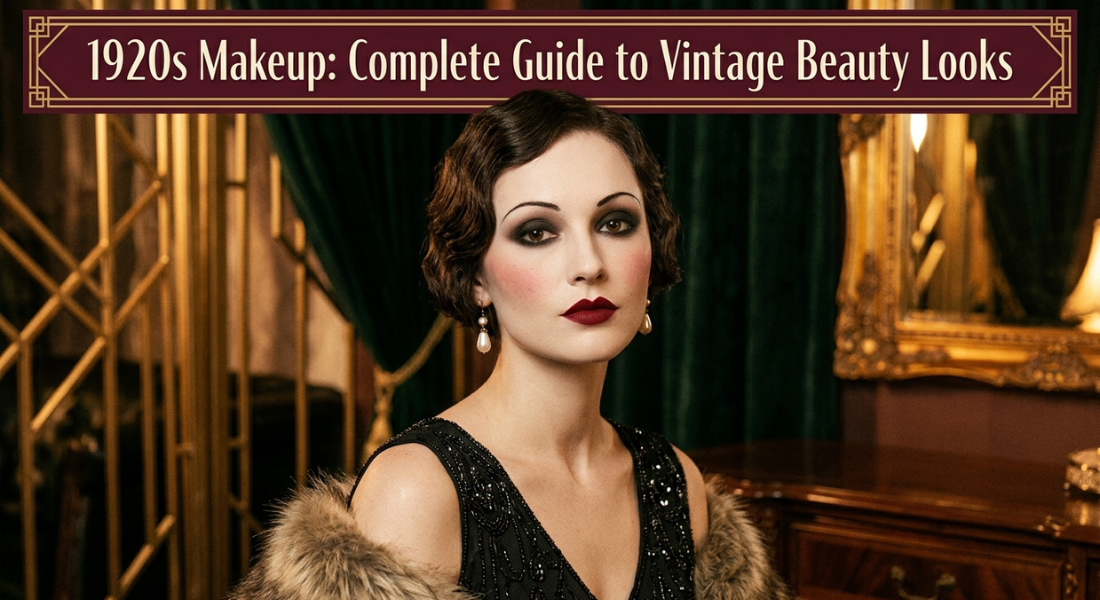
The bold lips, dramatic eyes, and sculpted features of 1920s makeup transformed how women expressed beauty. 1920s makeup was defined by matte pale skin, smoky kohl eyes, thin curved brows, rosy cheeks, and cupid’s bow lips popularised during the Jazz Age.
This guide explains its key features, cosmetics, colours, and steps to recreate an authentic vintage look.
1920s makeup was defined by matte pale skin, smoky eyes, thin curved brows, and cupid’s bow lips.
The signature look relied on strong contrast between a light complexion and bold cosmetic colours.
Kohl eyeliner, rouge, mascara, lipstick, and face powder were key products of the era.
Recreating the style requires a matte base, dramatic eyes, shaped brows, defined lips, and balanced blush.
Authentic vintage recreation focuses on historical makeup techniques while adapting them with modern products.
1920s makeup was a beauty style defined by matte skin, dark eyes, thin brows, and carefully shaped lips. It represented a shift towards expressive cosmetic techniques influenced by cinema, changing beauty ideals, and improved access to products.
This makeup style was part of the wider elegance of 1920s fashion which explored the clothing, trends, and cultural styles of the Roaring Twenties. This is part of our complete guide on 1920s Fashion → see the full guide here.
Cosmetics became more accepted during the decade as Hollywood films, beauty advertising, and new cosmetic companies introduced makeup to wider audiences. Silent film stars such as Clara Bow and Theda Bara helped popularise dramatic eyes and defined lips.
According to the Victoria and Albert Museum the 1920s was a period when cosmetic use became increasingly visible in women’s daily beauty practices reflecting changing attitudes towards personal appearance.
The defining features of the look included a pale complexion, smoky eyes, thin curved eyebrows, visible cheek colour, and small cupid’s bow lips. Together these elements created the recognisable vintage beauty style associated with flapper makeup and silent film beauty.
The complexion relied on face powder and matte finishes rather than the glowing skin trends common today. Women used powder products and early foundation formulas to create smooth pale looking skin with minimal shine.
1920s eyes focused on smoky shadows, dark kohl eyeliner, and heavily defined lashes. The goal was a dramatic expressive appearance inspired by silent cinema where strong facial features helped actors appear more visible on screen.
Cupid’s bow lips featured a small rounded mouth shape with a clearly defined upper lip curve. Popular shades included deep reds, crimson, and berry tones creating a bold contrast against the pale complexion.
Eyebrows were thin, elongated, and curved to balance dramatic eyes and lips. Unlike modern fuller brows the 1920s style focused on a highly shaped appearance with a defined arch and extended tail.
To recreate a 1920s makeup look follow the traditional order of creating a matte complexion, adding dramatic eyes, shaping brows, defining lips, and finishing with blush. Modern products can achieve the same visual effect while keeping the original cosmetic style.
Prepare the skin with an even foundation or powder finish to create the smooth matte appearance associated with the decade. A lighter foundation shade can help recreate the pale complexion without looking unnatural.
Use dark eyeliner close to the lash line, blend smoky shadow around the eyes, and add mascara for intensity. The focus should remain on creating depth rather than modern sharp eye shapes.
Create thin curved brows using a pencil or brow product then define the cupid’s bow shape with lip liner. Finish with bold lipstick in a deep red or berry shade.
Apply blush carefully to create noticeable cheek colour and complete the vintage appearance. Small details such as balanced contrast between eyes and lips make the recreation more authentic.
1920s cosmetics relied on strong contrasts, including pale skin, dark eye products, and rich lip colours. Popular items included face powder, rouge, lipstick, mascara, and kohl eyeliner which helped create the decade’s distinctive beauty style.
Deep red, burgundy, rose, and berry shades were common choices for lips. Rouge was applied to add visible cheek colour and enhance facial definition creating a more sculpted appearance.
Brands such as Max Factor, Maybelline, Helena Rubinstein, and Coty influenced cosmetic trends during the period. Products like Pan Cake makeup, mascara, rouge, and early foundation formulas helped shape modern cosmetic use.
The Victoria and Albert Museum documents how changing beauty practices and cosmetic displays reflected evolving personal style during the early twentieth century. Victoria and Albert Museum
According to Cosmetics and Skin, the 1920s saw significant growth in commercially available beauty products, including face powders, mascaras, and foundation-style cosmetics that influenced modern makeup routines.
1920s makeup evolved throughout the decade rather than staying identical. Early styles reflected theatrical silent film influences while later looks became more refined with wearable techniques, stronger lip definition, and polished everyday applications.
Early 1920s makeup featured stronger contrasts and dramatic application methods influenced by silent film performers. Dark eyes, exaggerated lips, and heavier cosmetic techniques created a theatrical appearance suited to early cinema.
Late 1920s makeup became more refined as cosmetics entered everyday routines. Women adopted defined lips, smoother complexions, and balanced eye makeup while maintaining the decade’s signature dramatic features.
Common mistakes include using modern thick brows, excessive contouring, oversized lips, or glossy finishes that do not match the period. A successful recreation focuses on the key elements: matte skin, smoky eyes, thin brows, and defined lips.
Balance historical inspiration with modern application methods by focusing on the defining cosmetic features. Avoid adding unrelated beauty trends and instead recreate the proportions, colours, and techniques that made the era’s makeup recognisable.
1920s makeup remains memorable because of its bold contrast, defined features, and cinematic beauty influence. The most recognisable elements are matte skin, smoky eyes, thin brows, and cupid’s bow lips. Understanding these details allows you to recreate the vintage style while adapting techniques for modern cosmetic products.
Pale skin, smoky eyes, thin brows, blush, and cupid’s bow lips were the main features of 1920s makeup. These elements created the dramatic vintage appearance associated with the decade.
Start with a matte base apply smoky eye makeup, shape thin brows, define cupid’s bow lips, and finish with blush. This order recreates the traditional cosmetic structure.
Deep reds, burgundy, rose, and berry shades were widely associated with 1920s lips. These colours created a strong contrast against the pale complexion preferred during the era.
Dark eye makeup created a dramatic appearance influenced by cinema and changing beauty preferences. Kohl eyeliner and smoky shadows helped emphasise facial features.
A cupid’s bow lip is a lip shape with a defined curved centre on the upper lip. This rounded shape became one of the most recognisable cosmetic features of the 1920s.
Common products included face powder, rouge, lipstick, kohl eyeliner, mascara, and early foundation products. These cosmetics helped create the decade’s matte complexion and dramatic features.




Reader Discussion
Leave a Reply