- by Daily Talkin Staff
- July 8, 2026
-

-
-
Loading
Loading
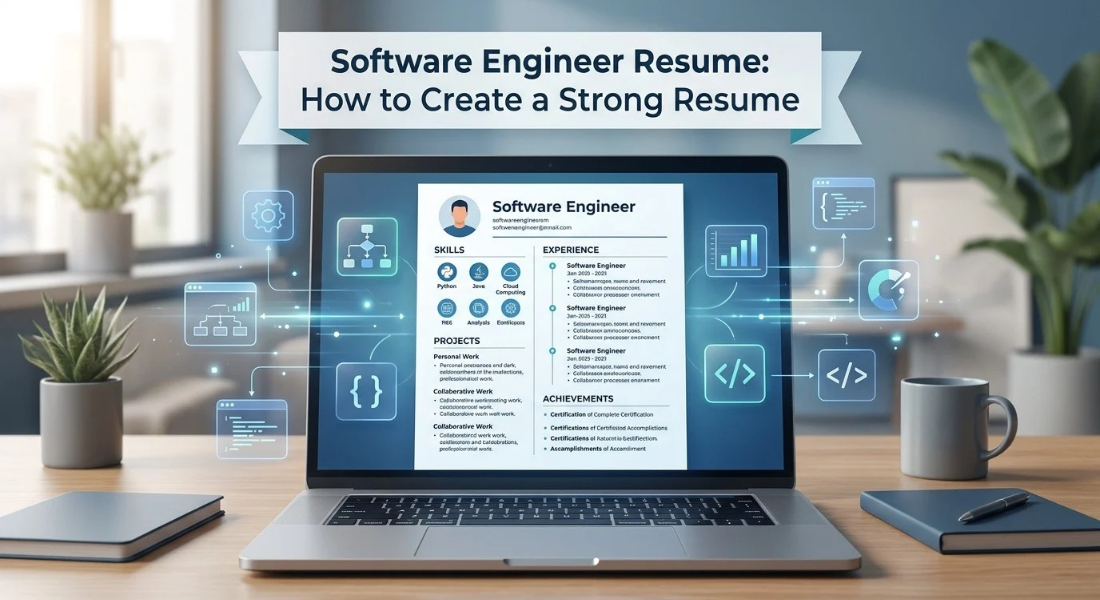
A strong software engineer resume can decide whether your technical experience gets noticed or ignored. A software engineer resume is a targeted document that presents your skills, projects, experience, and achievements for engineering roles.
This guide explains resume structure, examples, ATS optimisation, mistakes, and practical improvement tips.
A strong software engineer resume highlights measurable results, not only technical responsibilities.
Organise your resume with clear sections such as summary, experience, projects, and skills.
Use achievement-focused bullet points with action, technology, and results.
Optimise for ATS by using relevant keywords and simple formatting.
Include projects that demonstrate practical engineering decisions and outcomes.

A software engineer resume should highlight your technical background, experience, projects, and achievements for a specific role. It usually includes contact information a professional summary, technical skills, work experience, projects, education, and relevant certifications.
Each section should clearly show your value. Focus on achievements and outcomes rather than only listing responsibilities as this helps recruiters and ATS systems quickly understand your qualifications.
A software engineer resume should use a clear structure with sections arranged in a logical order. A reverse chronological format is commonly preferred because it highlights recent experience first and makes information easier to review.
Use simple headings, readable fonts, consistent formatting, and balanced spacing. One page is usually suitable for early career engineers while experienced candidates may need more space for relevant achievements and projects.
A software engineer resume summary should quickly explain your experience, technical strengths, and value for a specific role. Avoid generic statements and focus on relevant achievements, technologies, and impact.
For example:
Weak: “Software engineer skilled in coding.”
Better: “Backend software engineer with experience building scalable APIs and improving application performance using modern development practices.”
Keep the summary concise and tailored to the job. Junior candidates can highlight projects while experienced engineers should focus on technical contributions and measurable results.
The strongest resumes show results not only responsibilities. Recruiters want to understand what you built, improved, or contributed to within a technical environment.
Instead of writing general descriptions connect your work to measurable outcomes. For example “developed backend services” provides limited information while “built API services that improved application response time by reducing database bottlenecks” demonstrates impact.
Your experience section should include:
Projects or products you contributed to
Technologies used
Problems solved
Results achieved
For candidates with limited professional experience projects can provide important evidence of practical ability. Well described personal, academic, or open source projects can demonstrate technical decision making and problem solving.
Software engineer resumes should prioritise relevance. A project using outdated technology or unrelated tools may not strengthen an application unless it demonstrates useful engineering skills.
Effective bullet points follow a simple formula:
Action + Technology + Result
Instead of: “Worked on database systems.”
Write: “Optimised PostgreSQL queries, reducing API response time by 35%.”
The improved version explains the action taken, the technology involved, and the measurable result.
Strong bullet points should include:
Specific achievements
Technical context
Business or user impact
Numbers, performance improvements, and scale indicators make accomplishments easier to understand.
Projects should demonstrate practical development ability and show how you apply technical knowledge to solve problems.
Useful projects can include:
Personal applications
Open source contributions
Academic projects
GitHub hosted work
A project description should explain the problem solved, technologies used, important engineering decisions, and final outcome.
For example instead of writing “Created a web app” explain what the application does which technologies supported it and what improvements or results it achieved.
GitHub links can strengthen a resume when repositories contain organised code, documentation, and meaningful project history.

Technical skills should be selected based on relevance rather than quantity. A strong skills section shows recruiters the technologies you can confidently apply.
Organise skills into clear categories such as:
Programming languages
Frameworks
Databases
Cloud platforms and tools
Development practices
For example listing languages separately from databases makes the section easier to scan. Avoid adding every technology you have briefly encountered. A long list of unfamiliar tools can make your expertise appear unclear.
Instead prioritise skills that match the role description and your actual experience. If a job requires Java, SQL, and cloud experience those skills should appear clearly when they genuinely represent your background.
Separate strong skills from basic familiarity when necessary. Accuracy builds trust because recruiters expect candidates to discuss listed technologies during the hiring process.
Resume keywords should come naturally from the job description and your real experience. Applicant tracking systems (ATS) scan resumes for relevant terms so using accurate technology names, role related phrases, and required skills can improve visibility.
Avoid keyword stuffing because repeating unrelated terms does not create a stronger application. For example if a role requires React, PostgreSQL, and API development, include those terms where they accurately describe your projects or experience.
A resume should be written for both automated systems and human reviewers.
An ATS friendly resume uses simple formatting that allows recruitment software to read information correctly. Use standard headings such as “Experience,” “Projects,” and “Technical Skills” rather than creative alternatives that may confuse automated systems.
Keep formatting clean by avoiding excessive graphics, complex layouts, or unnecessary design elements. Readable fonts, clear spacing, and consistent formatting improve usability for recruiters.
Save your resume in the file format requested by the employer. PDF is commonly accepted but some systems may request other formats depending on their process.
Include relevant keywords naturally throughout the document and make sure each section clearly communicates your qualifications. A well structured resume improves both machine readability and human scanning.
Common mistakes can reduce the effectiveness of an otherwise strong resume.
Avoid:
Large blocks of text
Missing achievements
Unclear project descriptions
Over designed templates
Irrelevant technologies
Spelling mistakes
A resume should make important information easy to find. If recruiters need to search through unnecessary details strong qualifications may be overlooked.

Before submitting your resume review it against the specific job description. A targeted resume usually performs better than a generic document sent to every employer. Update relevant projects and adjust your technical skills section to reflect the requirements of the role.
Replace task based bullet points with achievement focused statements that explain your contribution and results. Check technical accuracy carefully. Technology names, project descriptions, and performance claims should all be correct and easy to verify.
Review formatting one final time to ensure consistent spacing, headings, and readability. Software engineering is a broader technology discipline covering software creation, systems, skills, and career paths.
This resume guide focuses only on presenting engineering experience effectively. This is part of our complete guide on Software Engineer → see the full guide here. A final proofreading pass can remove small errors that affect professionalism and confidence.
A successful software engineer resume focuses on evidence rather than simple skill lists. Strong resumes clearly present relevant experience, practical projects, technical abilities, and measurable outcomes.
By using a clear structure, ATS friendly formatting, and achievement focused writing, candidates can create a resume that better communicates their engineering value.
Include contact details, summary, skills, experience, projects, education, and relevant certifications.
Most are one page for early career candidates while experienced engineers may need more space for key achievements.
Yes Projects show practical skills, technical decisions, and development experience, especially for beginners.
Use clear headings, simple formatting, relevant keywords, and avoid complex designs or graphics.
Add relevant languages, frameworks, databases, tools, and technologies that match your experience and target role.
Yes if it shows relevant projects, open source contributions, or practical coding work.





Reader Discussion
Leave a Reply