- by Daily Talkin Staff
- July 8, 2026
-

-
-
Loading
Loading
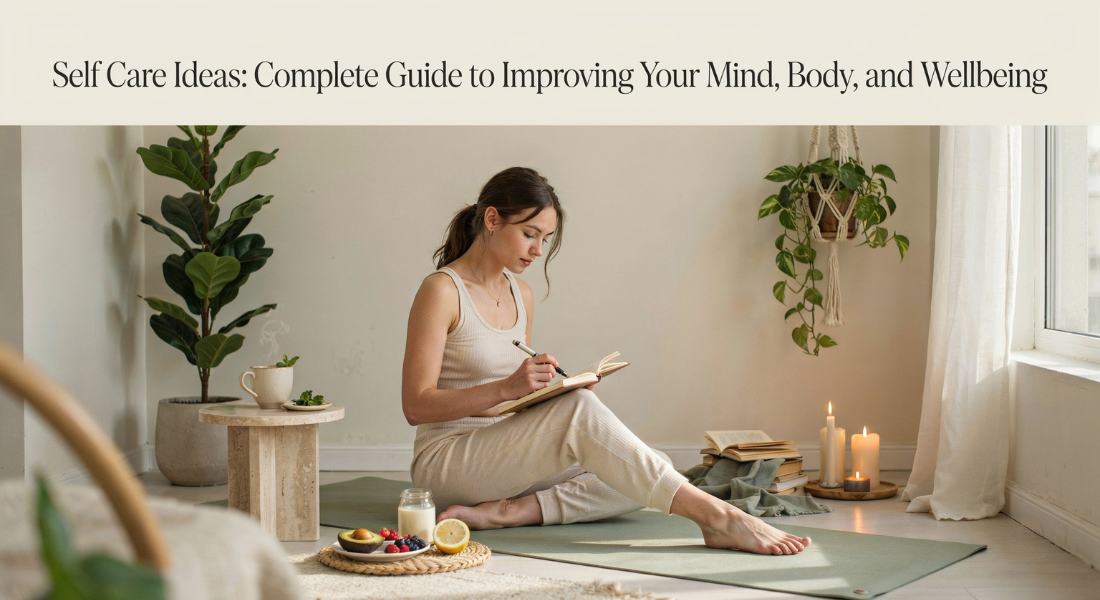
Self care ideas are practical ways to support your mental, physical, emotional, and social wellbeing through intentional daily actions. Self care is not only about relaxation or occasional treats it is about creating habits that help you manage stress, maintain balance, and improve your quality of life.
A personalised self care approach looks different for everyone because wellbeing needs depend on lifestyle, responsibilities, energy levels, and personal goals. The most effective practices are realistic habits that can be maintained consistently rather than a perfect routine that creates extra pressure.
Self care means intentionally supporting your physical, mental, emotional, and social wellbeing.
Effective self care is personalised and should fit your lifestyle rather than follow a strict formula.
Small daily habits such as mindfulness, movement, sleep improvement, and reflection can create long term benefits.
A balanced self care system includes routines, activities, checklists, and flexible adjustments.
Self care does not need to be expensive many powerful practices are free or low-cost.

Self care is the intentional practice of taking care of your physical, mental, emotional, and social needs. It includes everyday actions such as getting enough rest, managing stress, maintaining relationships, and creating time for activities that support your overall wellbeing.
Self care is not limited to luxury experiences or relaxation activities. It is a long term lifestyle practice that helps people recognise their needs, prevent burnout, and build healthier patterns in daily life.
Modern lifestyles often involve constant digital exposure, work demands, personal responsibilities, and ongoing stress. Effective self care creates space to recharge, improve emotional balance, and respond to challenges in a healthier way.
The best self care routine is personal because different people need different forms of support. What helps one person relax may not provide the same benefit for another making self awareness an important part of sustainable wellbeing.
Self care means intentionally choosing actions that support your wellbeing rather than ignoring your physical and emotional needs. It can include simple habits such as taking breaks, eating nourishing meals, reflecting on feelings, or spending meaningful time with others.
Self care is a lifestyle practice built through small, repeated choices. A short walk a few minutes of mindfulness, or setting boundaries can create long term improvements when these habits become part of everyday life.
Self care is not the same as selfishness. Looking after your own wellbeing allows you to maintain energy, manage responsibilities, and create healthier relationships with yourself and others.
Small consistent habits often create stronger results than occasional major changes. Building realistic practices makes self care easier to maintain during both calm and stressful periods.
Self care is commonly divided into different areas because wellbeing depends on more than one part of life. Physical self care focuses on supporting the body through habits such as quality sleep, movement, nutrition, hydration, and personal health maintenance.
Mental self care supports cognitive wellbeing through activities such as mindfulness, learning, journaling, creative hobbies, and reducing mental overload.
Emotional self care involves recognising, understanding, and managing feelings through self reflection, healthy expression, self compassion, and emotional support.
Social self care focuses on building positive relationships, maintaining connections, and creating supportive interactions with friends, family, and communities.
A balanced self care approach considers all these areas instead of focusing on only relaxation or appearance-based activities.
One common misconception is that self care only means spa treatments, expensive products, or luxury experiences. While these activities can be enjoyable many effective self care practices are simple and free.
Self care is also not about avoiding responsibilities or ignoring important tasks. Healthy self care helps people manage responsibilities more effectively by improving energy, focus, and emotional stability.
Another misconception is that self care should always feel easy or enjoyable. Some forms of self care, such as setting boundaries, attending health appointments, or improving sleep habits require effort but provide long term benefits.
Self care should reduce stress rather than become another obligation. A successful approach fits naturally into your lifestyle and supports your personal wellbeing goals.
Creating a self care routine starts with understanding your personal needs, available time, lifestyle challenges, and activities that genuinely improve your wellbeing. The most effective routine is not the most complicated one it is the one you can realistically maintain.
A sustainable self care plan includes different habits for different situations. Daily practices can provide stability, weekly activities can support recovery, and monthly reflection can help improve your approach over time.
A self care routine should adapt as your circumstances change. Stress levels, work demands, relationships, and personal priorities can influence which habits are most useful at different stages of life.
Building a routine is about creating a supportive system rather than following a strict checklist. The goal is consistency, flexibility, and improved awareness of your own needs.
The first step in creating a self care routine is recognising which areas of your life need more attention. This may include physical exhaustion, emotional stress, lack of personal time, or feeling disconnected from activities you enjoy.
Start by asking yourself:
What currently causes the most stress in my daily life?
Which areas of my wellbeing have I been neglecting?
What activities make me feel calm, energised, or supported?
Understanding your personal needs helps you choose self care activities that create real value rather than copying routines that may not suit your lifestyle.
Personal preferences also matter. Some people recharge through quiet activities such as reading or meditation while others feel better through movement, creativity, or social connection.
A good self care routine should fit your current lifestyle rather than require a complete schedule change. Unrealistic routines often fail because they create pressure instead of support.
Start with small habits that feel achievable. Drinking enough water, taking short walks, practising gratitude, or creating a consistent bedtime routine can become powerful foundations over time.
Choose activities you genuinely enjoy because enjoyment increases consistency. Self care should feel like a positive investment in your wellbeing not another task to complete.
Long-term self care is built through repetition. Small actions performed regularly are often more effective than occasional intensive efforts.
A structured self care plan helps organise different wellbeing activities without making them overwhelming.
Daily self care habits may include:
Maintaining healthy sleep patterns
Practising mindfulness
Taking short breaks
Staying hydrated
Spending time on personal interests
Weekly self care can include activities that require more time such as meeting friends, exercising, exploring hobbies, or planning relaxing activities.
Monthly self care provides an opportunity to reflect on progress, review habits, and adjust routines based on changing needs. A flexible schedule allows self care to remain realistic while still supporting long term wellbeing.

Daily mental self care helps manage stress, improve focus, and create emotional balance through simple practices that support a healthier mindset. Activities such as journaling, mindfulness, and intentional breaks can help people become more aware of their thoughts and feelings.
Mental self care does not require large amounts of time. Even a few minutes of focused attention can create benefits when these practices become part of everyday routines.
The goal is not to eliminate every negative emotion or stressful situation. Instead mental self care helps people develop healthier ways to respond to challenges.
According to the American Psychological Association, healthy coping strategies and stress management approaches can support better psychological wellbeing.
Journaling is a simple self care activity that allows people to organise thoughts, process emotions, and reflect on personal experiences.
Writing regularly can help identify stress triggers, recognise patterns, and develop greater emotional awareness. It can also create a private space for expressing thoughts that may be difficult to communicate.
Different journaling approaches include:
Gratitude journaling
Daily reflections
Goal tracking
Emotional check-ins
Personal growth notes
Reflection prompts such as “What affected my mood today?” or “What do I need more of this week?” can help create deeper self awareness.
Mindfulness involves paying attention to the present moment without unnecessary judgement. It can help reduce mental distractions and improve awareness of thoughts, feelings, and surroundings.
Meditation practices may include:
Deep breathing exercises
Guided meditation
Body awareness techniques
Quiet reflection sessions
These activities can be adapted for different lifestyles. A short mindfulness practice during a busy day can provide a valuable mental reset.
Constant digital exposure can contribute to mental fatigue and difficulty focusing. Creating intentional boundaries with technology can support better concentration and emotional balance.
Digital self care ideas include:
Taking regular screen breaks
Limiting unnecessary notifications
Creating social media boundaries
Spending quiet time without devices
Reducing digital overload allows the mind to recover and creates space for more meaningful activities.
Mental self care is not only about reducing stress it also involves activities that create curiosity and personal growth. Reading, learning new skills, exploring creative hobbies, and solving challenges can support mental stimulation and provide a sense of achievement.
Creative activities such as writing, drawing, cooking, or playing music can also support emotional expression while keeping the mind engaged.
Physical self care focuses on supporting the body through healthy habits such as sleep, movement, nutrition, hydration, and personal health maintenance. Physical wellbeing influences energy levels, mood, concentration, and daily performance.
Taking care of your body does not require extreme fitness plans or major lifestyle changes. Consistent actions that support your health are often more sustainable than short term intensive efforts.
Simple physical self care habits can improve how you feel throughout the day and create a stronger foundation for overall wellbeing.
The National Institutes of Health highlights the importance of healthy behaviours, including physical activity and lifestyle choices in supporting long term health.
Quality sleep is one of the most important forms of physical self care because it affects energy, mood, focus, and recovery.
Healthy sleep habits include:
Maintaining a consistent sleep schedule
Creating a comfortable rest environment
Reducing screen exposure before bedtime
Developing relaxing evening routines
Sleep hygiene focuses on creating conditions that support better rest. Small improvements to bedtime habits can make a noticeable difference over time.
Physical activity supports both body and mind. Exercise does not need to be intense to provide benefits enjoyable movement is often easier to maintain.
Examples of physical self care activities include:
Walking outdoors
Stretching routines
Yoga sessions
Strength training
Recreational activities
Choosing movement you enjoy increases the chance of making it a regular habit.
Nutrition is an important part of physical self-care because food provides the energy needed for daily activities.
Balanced self care nutrition includes:
Eating a variety of nutrient rich foods
Maintaining regular meals
Practising mindful eating
Drinking enough water
Healthy eating does not require perfection. Consistent choices that support your body are more important than strict rules.
Personal health routines help prevent problems and support confidence in everyday life.
Physical self care may include:
Regular health checks
Personal hygiene routines
Skincare practices
Relaxation techniques
Taking time for basic body care is a practical way to show attention to your long-term wellbeing.
Emotional self care involves understanding, accepting, and managing your feelings in healthy ways. It helps people recognise emotional needs, process difficult experiences, and develop better responses to everyday challenges.
Emotional wellbeing does not mean avoiding negative emotions. Stress, sadness, frustration, and uncertainty are normal parts of life. Self care helps create healthier ways to experience and manage these emotions.
Emotional self care includes practices such as setting boundaries, maintaining supportive relationships, practising self compassion, and seeking support when challenges become difficult to manage.
Building emotional awareness allows you to understand yourself better and create habits that support long term balance.
Recognising emotions is an important part of emotional self care. Many people experience stress or frustration without taking time to understand what they are feeling or why those emotions appear.
Emotional awareness involves noticing:
Changes in mood
Stress triggers
Personal needs
Emotional patterns
Expressing feelings in healthy ways can prevent emotions from becoming overwhelming. This may include talking with someone you trust, writing in a journal, or using creative activities to process experiences.
Healthy emotional expression is not about reacting immediately to every feeling. It is about understanding emotions and choosing responses that support your wellbeing.
Boundaries are limits that protect your time, energy, and emotional wellbeing. They help create healthier relationships by making your needs and expectations clearer.
Examples of healthy boundaries include:
Saying no when your schedule is full
Protecting personal time
Communicating your limits
Reducing unnecessary pressure
Many people struggle with boundaries because they worry about disappointing others. However maintaining boundaries can improve relationships by creating more balanced interactions.
Self care becomes more effective when you understand that your wellbeing deserves attention alongside your responsibilities.
Social connection plays an important role in emotional wellbeing. Supportive relationships provide encouragement, understanding, and a sense of belonging.
Emotional self-care through relationships may include:
Spending quality time with friends
Maintaining family connections
Joining supportive communities
Having meaningful conversations
Healthy relationships are not only about receiving support but also creating positive connections where both people feel valued. Making time for supportive people can reduce feelings of isolation and strengthen emotional resilience.
Self compassion means treating yourself with understanding and kindness, especially during difficult situations. Instead of harsh self-criticism, self-compassion encourages a healthier inner dialogue.
Self compassion practices include:
Recognising personal efforts
Accepting mistakes as part of growth
Using positive self talk
Allowing yourself time to recover
Being kind to yourself does not mean avoiding improvement. It means creating a supportive mindset while working towards personal goals.
Relaxing self care activities provide opportunities to recover, recharge, and enjoy moments of comfort. These practices can support emotional wellbeing by creating breaks from daily stress and responsibilities.
Relaxation is a valuable part of self care but it works best when combined with deeper habits such as healthy routines, emotional awareness, and physical wellbeing practices.
Self care does not need to be expensive or complicated. Many relaxing activities can be done at home using simple resources and personal preferences.
The most effective relaxation activities are those that genuinely help you feel refreshed rather than adding another expectation to your schedule.
An at home spa routine can create a calming environment and provide intentional time for personal care.
Simple ideas include:
Applying a face mask
Taking a warm bath
Following a skincare routine
Caring for your hair
Creating a relaxing atmosphere
These activities are not only about appearance. They can provide a moment to slow down, reconnect with yourself, and practise mindful relaxation.
A regular self care ritual can make personal wellbeing feel like a normal part of life rather than something reserved for special occasions.
Comfort activities provide emotional recovery by allowing your mind and body to slow down.
Examples include:
Watching a favourite film
Reading a book
Listening to calming music
Resting without guilt
Spending quiet time alone
These activities can be especially helpful after demanding days when your energy levels are low. Rest is an important part of productivity because the body and mind need recovery periods to function effectively.
Creative activities can support relaxation while encouraging self-expression and enjoyment.
Creative self care ideas include:
Painting or drawing
Cooking new recipes
Craft projects
Gardening
Exploring personal hobbies
Creative activities do not need to produce a perfect result. The purpose is to enjoy the process and create a positive experience. Making time for hobbies can improve life satisfaction by adding activities that are meaningful beyond daily responsibilities.
Stressful periods often require simple self care practices that can be completed quickly and realistically. During difficult days the goal is not to create a perfect routine but to support yourself through manageable actions.
Quick self care techniques can help calm the nervous system, create emotional space, and restore a sense of control when life feels overwhelming.
However short term self care should support rather than replace long term wellbeing strategies. Ongoing emotional struggles may require additional support from trusted people or qualified professionals.
The best stressful day self care ideas focus on basic needs, gentle actions, and reducing unnecessary pressure.
Short self care practices can provide immediate moments of calm, even during busy schedules.
Examples include:
Taking slow deep breaths
Stretching your body
Walking briefly outside
Drinking water
Repeating positive reminders
These small actions can interrupt stressful patterns and create a short mental reset. A five minute break may seem simple, but consistent moments of recovery can support better emotional regulation.
Burnout often develops when stress continues without enough recovery. Self care during burnout should focus on restoring energy rather than increasing demands.
Helpful approaches include:
Taking proper rest periods
Reducing unnecessary commitments
Rebuilding healthy routines
Creating realistic expectations
Recovery requires patience because exhaustion cannot always be solved through one relaxing activity. Rest, boundaries, and sustainable lifestyle changes are important parts of rebuilding wellbeing.
Some days require gentler self care approaches. When motivation is low focusing on basic needs can be more helpful than trying to complete a demanding routine.
Helpful activities may include:
Taking a shower
Eating a simple nourishing meal
Opening a window or going outside
Talking to someone supportive
Completing one small task
On difficult days self care is about support rather than achievement. Small actions can help create stability when everything feels challenging.
Self care activities are practical actions that support your physical, mental, and emotional wellbeing, from relaxation techniques and hobbies to healthy daily habits. Different activities work for different needs, so choosing realistic options is important.
For a complete guide to self care activities, read our dedicated article on Self Care Activities →
Self care routine ideas help you organise supportive habits into daily, weekly, or monthly practices. A good routine should match your lifestyle, schedule, and personal wellbeing goals rather than follow a fixed formula.
Learn more in our complete guide to Self Care Routine Ideas →
A self care checklist provides a simple framework for tracking habits that support your mind, body, and emotional health. It can include daily essentials, weekly resets, and monthly reflection activities.
Explore our complete Self Care Checklist guide for a practical framework →
Self care gift ideas focus on thoughtful items and experiences that encourage relaxation, comfort, and personal wellbeing. These can include wellness products, journals, relaxation tools, or meaningful experiences.
Discover more ideas in our complete guide to Self Care Gift Ideas →
Practising self-care means intentionally creating time for activities that support your physical, mental, and emotional needs. It starts with understanding what improves your wellbeing and building realistic habits around those needs.
Read our step-by-step guide on How to Practice Self Care →
A self care challenge encourages consistent wellbeing habits through structured activities completed over a set period. These challenges can help beginners create healthier routines and discover practices that improve daily life.
Start building better habits with our complete Self Care Challenge guide →
A self care checklist makes wellbeing easier to maintain by turning personal goals into practical actions. It provides a simple framework for supporting physical, mental, emotional, and social needs without relying on memory or motivation alone.
A balanced checklist should be flexible rather than restrictive. Self care habits should be reviewed regularly and adjusted according to changing responsibilities, stress levels, and personal priorities.
Using a checklist does not mean treating self care as another task to complete. Instead it creates awareness and helps ensure important areas of wellbeing receive attention.
Daily self care habits create stability by supporting basic physical and emotional needs. These small actions can help maintain energy, focus, and a sense of balance throughout the day.
A daily checklist may include:
Getting enough quality sleep
Drinking enough water
Moving your body through exercise or stretching
Taking mindful breaks
Practising personal hygiene
Spending a few moments reflecting or relaxing
Daily habits do not need to be complicated. The most effective routines are those that fit naturally into your existing lifestyle.
Weekly self care focuses on activities that may require more time and planning. These habits help create recovery opportunities and maintain connection with yourself and others.
A weekly checklist may include:
Spending time with supportive people
Completing exercise goals
Enjoying personal hobbies
Planning relaxation activities
Reviewing current stress levels
Weekly reflection can help identify what is working and what areas of wellbeing need more attention.
Monthly self care provides an opportunity to review progress and make meaningful adjustments.
A monthly checklist may include:
Reflecting on personal wellbeing
Reviewing current routines
Setting new health or lifestyle goals
Adjusting habits that no longer work
Planning future self-care activities
Regular reflection helps create a self care system that evolves with your changing needs.

Effective self care does not depend on expensive products, memberships, or luxury experiences. Many meaningful practices involve simple activities that support mental clarity, relaxation, and emotional balance.
Affordable self care makes wellbeing accessible regardless of income, lifestyle, or available resources. The most valuable self care practices often come from consistency, awareness, and intentional time rather than spending money.
Creating a healthier lifestyle is possible through small choices that support your mind and body every day.
Many self care activities require little or no cost while still providing valuable benefits.
Free self care ideas include:
Going for a walk outdoors
Writing in a journal
Practising meditation
Spending time in nature
Reading something enjoyable
Taking quiet moments away from distractions
Nature based activities can be especially helpful because they combine physical movement with mental relaxation. Simple practices become powerful when they are repeated consistently and become part of your lifestyle.
A calming environment can support relaxation without requiring major spending.
Low cost ideas include:
Playing calming music
Creating a comfortable reading space
Using candles or relaxing scents
Organising a peaceful corner at home
Developing an evening wind-down routine
Small environmental changes can influence mood and make self-care habits easier to maintain A supportive space reminds you to prioritise moments of rest and personal wellbeing.
Self care is not a universal formula that works the same way for everyone. The best self care approach is personal, realistic, and built around your individual physical, mental, emotional, and lifestyle needs.
Small habits often create the biggest long term improvements. A few minutes of mindfulness, a healthier sleep routine, stronger boundaries, or meaningful time with others can gradually improve overall wellbeing.
The purpose of self care is not perfection. It is about creating a supportive system that helps you manage challenges, maintain balance, and take better care of yourself.
Start with simple actions that feel achievable, then build your routine as you understand what works best for your life.
Self care focuses on maintaining wellbeing and meeting your current needs while self improvement focuses on developing skills, habits, or personal growth. Both can support a healthier lifestyle.
Yes effective self care can support productivity by improving energy, focus, emotional balance, and the ability to manage daily responsibilities.
Beginners should start with simple activities such as improving sleep, taking short walks, journaling, practising mindfulness, or creating regular breaks.
Self care becomes easier when you choose realistic activities connect them to existing routines, track progress, and adjust habits based on your needs.
No Self care is beneficial for everyone because it supports general wellbeing prevents excessive stress, and helps maintain healthy lifestyle habits.
A self care routine can take a few minutes or several hours depending on the activity. The most important factor is consistency rather than duration.



Reader Discussion
Leave a Reply