- by Daily Talkin Staff
- July 8, 2026
-

-
-
Loading
Loading
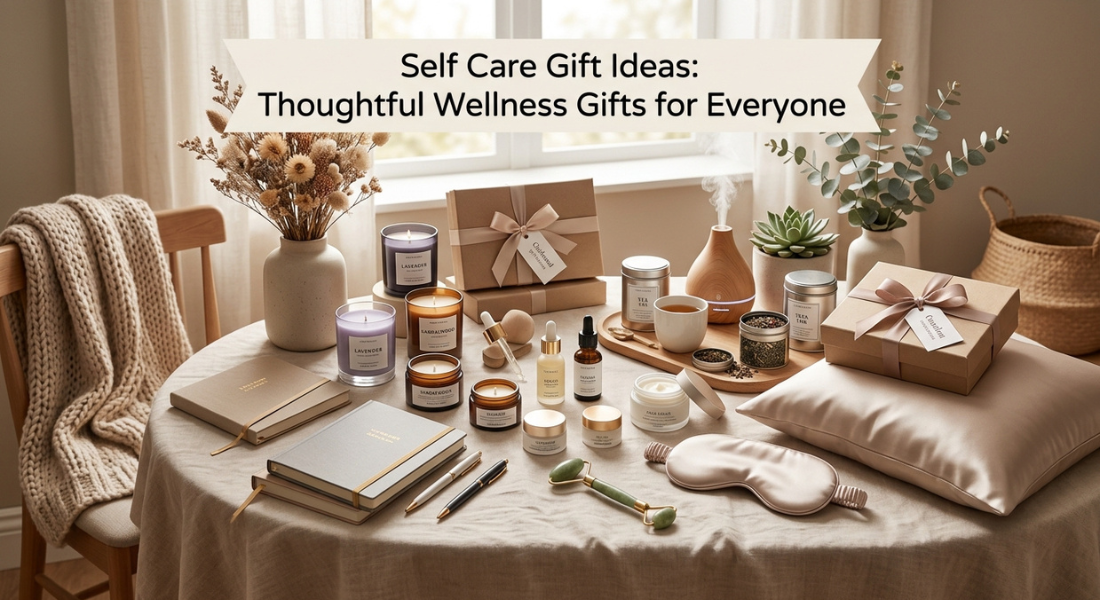
Finding the right self care gift can feel difficult when you want something meaningful rather than ordinary. Self care gift ideas are thoughtful products, tools, and experiences that help someone relax, recharge, or enjoy personal wellbeing.
This guide covers gift recommendations by category, recipient, personality, and budget. For more inspiration on everyday self-care practices, routines, and activities explore our complete Self Care Ideas guide → see the full guide here.
Self care gifts are most valuable when they match the recipient’s lifestyle and preferences.
Popular options include relaxation products, journals, comfort items, wellness tools, and personalised gifts.
Budget friendly gifts can still create meaningful experiences.
Personality based gifting helps you choose more suitable options.
Personalisation can make simple gifts feel more thoughtful.

The best self care gifts are products or experiences that support comfort, relaxation, personal care, or meaningful moments based on the recipient’s needs. They go beyond ordinary presents by showing thought and consideration.
Popular options include journals, candles, skincare sets, sleep accessories, wellness tools, and personalised gifts. The right choice depends on the person’s lifestyle, interests, and what they will genuinely use.
A meaningful self care gift matches the recipient’s lifestyle, preferences, and personal needs instead of following temporary trends. The most valuable gifts are useful, thoughtful, and likely to be used regularly.
Small personal touches such as a custom message or choosing an item based on their interests can make a simple gift feel more special and intentional.
Popular self care gifts include journals, candles, skincare sets, sleep accessories, massage tools, relaxation products, and wellness subscriptions.
Other popular choices are comfort items, mindfulness products, personalised gift baskets, and practical wellness accessories. The best option depends on the recipient’s personality, lifestyle, and budget.
Organising self care gifts by category makes it easier to find the right option for the recipient. The best choice depends on the type of experience the gift provides not just its popularity.
Relaxation gifts suit people who enjoy calm moments while beauty and personal care products work well for those who like pampering items. Sleep accessories, comfort products, mindfulness gifts, and wellness technology offer practical options for different lifestyles.
Some popular categories include:
Relaxation gifts
Beauty and personal care gifts
Sleep support gifts
Mindfulness gifts
Comfort gifts
Wellness technology gifts
A thoughtful selection should focus on the person receiving the gift rather than choosing the most expensive option available.
Relaxation gifts suit people who enjoy calm spaces and quiet moments. Popular choices include aromatherapy candles, essential oil diffusers, bath products, weighted blankets, and massage tools.
Choose a gift based on how the recipient prefers to relax rather than selecting a product only because it is popular.
Journaling and mindfulness gifts suit people who enjoy writing, reflection, or creative hobbies. Popular options include guided journals, gratitude journals, quality notebooks, meditation accessories, and thoughtful books.
Choosing a journal style or theme that matches the recipient’s interests makes the gift feel more personal and meaningful.
Comfort gifts focus on practical items that improve daily experiences and match personal preferences. Examples include soft blankets, comfortable clothing, sleep masks, tea sets, water bottles, and cosy home accessories.
These gifts are valuable because they can become part of the recipient’s routine rather than being used only once.

Choosing the right self care gift is less about finding the most popular product and more about matching the gift to the recipient’s lifestyle, preferences, and needs. A thoughtful choice shows that you understand what would genuinely bring them comfort or enjoyment.
The best gifts usually combine usefulness with personal meaning. Before buying consider whether the recipient enjoys relaxation, creative hobbies, practical tools, or personalised experiences.
Start by thinking about the person receiving the gift rather than the product itself. A busy professional may appreciate sleep accessories or time saving wellness tools while someone who enjoys quiet moments may prefer journals, books, or relaxation products.
Ask simple questions before choosing:
What helps them feel comfortable or relaxed?
Do they prefer practical items or emotional gifts?
What hobbies, interests, or routines do they already enjoy?
Understanding their lifestyle helps you avoid buying something that looks appealing but may never be used. A good self care gift should fit naturally into the recipient’s daily life and feel like a thoughtful addition rather than an unnecessary item.
Trendy products can look attractive but usefulness usually creates more lasting value. A gift should support something the recipient already enjoys or make an existing habit easier.
For example a high quality journal may be more meaningful for someone who enjoys writing than a random wellness product they have never shown interest in using.
Before purchasing consider:
Will they use this regularly?
Does it match their preferences?
Does it solve a small problem or improve their comfort?
Practical gifts often create a stronger connection because they show attention to the person’s actual needs rather than following temporary trends.
Personalisation can make a simple gift feel much more meaningful. The value often comes from the thought behind the presentation not only the item itself.
You can personalise a self care gift by adding a handwritten message choosing products based on their preferences, or creating a customised gift bundle.
Examples include combining a journal with a favourite tea blend adding a personal note to a relaxation box, or selecting items connected to their hobbies.
A personalised approach transforms an ordinary purchase into a memorable experience that feels chosen specifically for them.

Different self care gift categories suit different people, occasions, and preferences. There is no single best option because the right choice depends on whether the recipient values relaxation, practicality, luxury, or emotional connection.
A quick comparison can help narrow down suitable options before making a purchase.
Gift Type | Best For | Example |
Relaxation Gifts | Stress relief seekers | Candles,and bath products |
Practical Wellness Gifts | Daily users | Water bottles,and journals |
Luxury Gifts | Special occasions | Premium wellness devices |
Personalised Gifts | Emotional connection | Custom items |
Relaxation gifts work well for people who enjoy calming experiences while practical wellness gifts are better for recipients who appreciate useful items they can include in everyday life.
Luxury gifts may suit birthdays, anniversaries, or milestone occasions where you want to give something more memorable. Personalised gifts often create the strongest emotional impact because they reflect the recipient’s personality and preferences.
The best self care gift depends on the recipient’s personality, lifestyle, budget, and personal preferences. A thoughtful choice does not need to be expensive it should provide comfort, usefulness, or meaningful support.
Choosing a gift based on the person rather than current trends creates a more memorable and valuable experience.
A good self care gift supports comfort, relaxation, or personal care while matching the recipient’s interests and lifestyle.
Affordable options include journals, candles, skincare products, tea sets, books, and small relaxation items.
Popular relaxation gifts include candles, massage tools, bath products, weighted blankets, and calming accessories.
Personalised gifts include customised journals, engraved items, gift baskets, and thoughtful messages.
Friends may appreciate comfort gifts wellness products, hobby related items, or personalised relaxation bundles.
Choose based on the recipient’s lifestyle, interests, needs, and whether the gift provides practical or emotional value. Personal preferences matter more than trends.


Reader Discussion
Leave a Reply