- by Daily Talkin Staff
- July 8, 2026
-

-
-
Loading
Loading
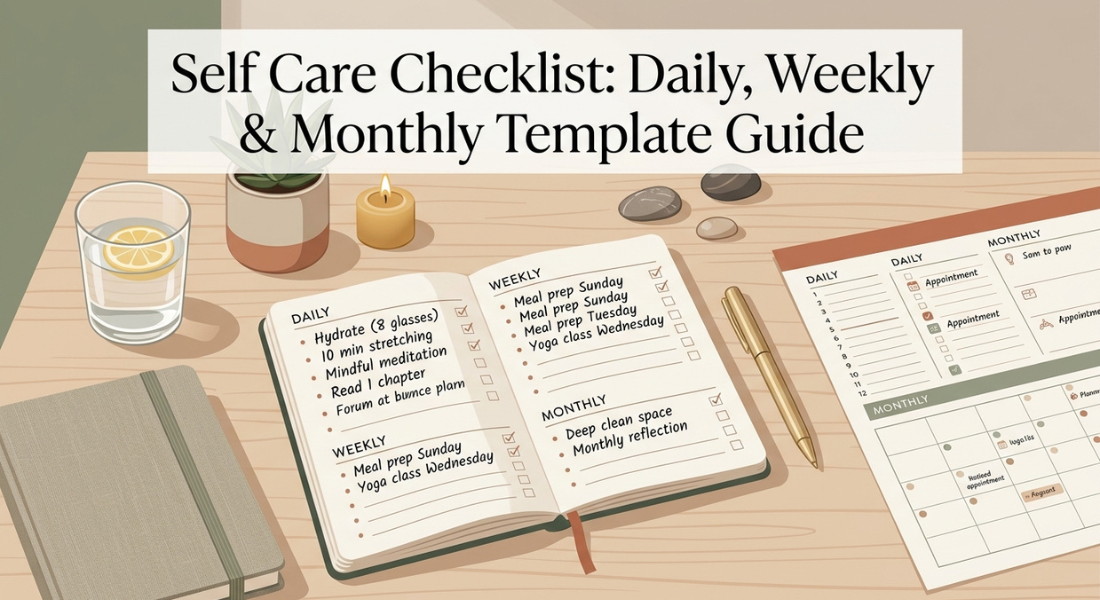
Many people want to practise self care but forget important habits when life becomes busy. A self care checklist is a simple tool that helps you organise and track wellbeing actions based on your needs.
This guide covers how to create, customise, and maintain a practical daily, weekly, and monthly checklist.
A self care checklist is a structured tool for planning and tracking personal wellbeing actions.
The most effective checklists are personalised, realistic, and easy to review.
Organise tasks into daily, weekly, and monthly sections for better tracking.
Use the Keep Change Remove method to improve checklist quality.
Review your checklist regularly to ensure it still matches your current needs.

A self care checklist is a personalised tracking tool that helps you organise wellbeing actions without turning them into rigid tasks. It allows you to remember priorities, review habits, and adjust your approach as your needs change over time.
A structured list of personal wellbeing actions that helps you plan, complete, and review habits supporting your physical, mental, and emotional needs. It works as a reminder system that keeps important actions visible and easier to manage.
A checklist reduces the mental effort of deciding what needs attention each day. Instead of relying on memory during busy periods you can quickly review priorities and track which habits need consistency or adjustment.
Creating a personal checklist starts with identifying your current needs selecting realistic actions and arranging them by frequency. The goal is to build a useful system that fits your lifestyle rather than creating another demanding list to complete.
Start by considering which areas need more attention.
Ask yourself:
“What needs more attention right now?”
Your checklist may focus on neglected habits, daily challenges, or specific wellbeing priorities that require regular awareness.
Effective checklist items should be clear, achievable, and meaningful. Avoid adding tasks because they sound ideal if they create pressure.
Use the Keep → Change → Remove method:
Keep helpful habits.
Change stressful habits.
Remove unrealistic expectations.
Organise checklist items by frequency to make them easier to follow:
Daily: Small actions that support consistency.
Weekly: Tasks needing more planning.
Monthly: Reviews and adjustments.
This structure helps prevent everything from feeling urgent at the same time.

A useful checklist should be organised into simple sections rather than a random collection of tasks. Categories help you see what needs attention and make tracking easier without expanding the list unnecessarily.
Use a simple daily format with actions that are realistic to complete:
Drink enough water
Take a mindful break
Complete personal hygiene routine
Move your body
Reflect on your day
Keep daily items short so they remain easy to maintain.
Weekly reviews help you check progress and adjust habits:
Plan personal time
Review stress levels
Connect with supportive people
Schedule enjoyable activities
Adjust habits that are not working
The purpose is awareness not perfect completion.
A monthly checklist helps you review what is still useful:
Review completed habits
Remove unrealistic tasks
Set new wellbeing priorities
Update checklist categories
Regular updates keep your checklist aligned with changing needs.
A checklist works best as a flexible system that changes over time. Tracking is not about achieving a perfect completion score but understanding which actions support your wellbeing and which ones need improvement.
A simple tracking system helps you understand which habits support your wellbeing. According to the American Psychological Association (APA) healthy coping strategies can help people manage stress and support psychological wellbeing making regular self review a useful practice.
Create a quick review method:
Completed: habits that are working well.
Needs improvement: habits requiring adjustment.
Remove/change: tasks creating unnecessary pressure.
Reviewing patterns helps you create a more personalised checklist.
A checklist should support your wellbeing not become another obligation. Too many items can create pressure and make consistency harder.
Start with a smaller number of meaningful actions. Add new items only when existing habits feel manageable.
The best checklist is one you can actually use. Simple placement, reminders, and a suitable format can make tracking easier while keeping the process practical and realistic.
Different formats work for different preferences:
Printable checklist
Digital notes app
Planner
Habit tracker
The most effective format is the one you will regularly check and update.
Your priorities can change because of new responsibilities, schedules, or personal circumstances. Review your checklist regularly and remove actions that no longer match your current needs.
A flexible checklist remains useful because it adapts with you.

A successful checklist follows four principles:
Simple → Personal → Trackable → Flexible.
It should contain realistic actions, reflect your priorities, allow progress tracking, and change when your circumstances change.
Realistic habits are easier to maintain over time. According to the National Institutes of Health (NIH) regular physical activity supports overall health which is why simple movement goals can be included in a personalised checklist.
The Keep Change Remove method helps optimise your checklist:
Keep: Habits that support your wellbeing.
Change: Habits that need adjustment.
Remove: Tasks that create unnecessary pressure.
This keeps your checklist practical and sustainable.
Self Care Checklist is one practical part of building a wider wellbeing approach. For more general self care practices and ideas explore our complete guide on Self Care Ideas → see the full guide here.
A self care checklist works best when it is personalised, realistic, and reviewed regularly. The goal is not completing every task perfectly but creating a simple system that keeps important wellbeing actions visible.
Start with a few meaningful habits, track what works, and adjust your checklist as your needs change over time.
A self care checklist is a structured tool for organising and tracking personal wellbeing habits. It helps you plan actions, monitor progress, and adjust tasks based on your current needs.
Create one by identifying what needs attention, choosing realistic checklist items, and organising them into daily, weekly, and monthly sections. Review the list regularly to keep it useful.
A daily checklist should include simple actions that support your priorities such as personal care tasks, mindful breaks, hydration, movement, and short reflection activities.
Yes. Weekly and monthly tasks help organise habits that do not need daily attention such as reviewing progress, updating goals, and adjusting checklist items that no longer work.
Review your checklist whenever your needs or circumstances change. A regular monthly review can help identify useful habits, unnecessary tasks, and areas that need adjustment.
A checklist should contain a manageable number of meaningful actions rather than a long list. Start small and add items only when your existing habits feel sustainable.





Reader Discussion
Leave a Reply