- by Daily Talkin Staff
- July 8, 2026
-

-
-
Loading
Loading
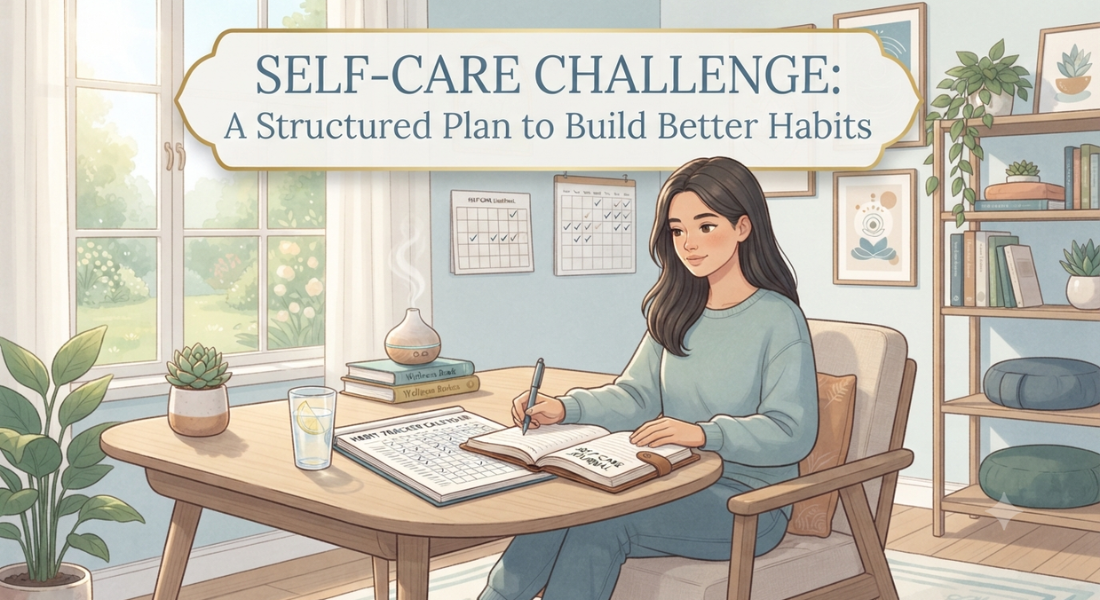
Many people want to practise self care but struggle with consistency. A self care challenge is a structured plan that guides you through specific wellbeing actions over a set period to build sustainable habits.
This guide explains how challenges work, how to choose one, and a practical framework for completing one successfully.
A self care challenge is a structured programme with planned actions completed over a specific timeframe.
Choosing a realistic duration makes it easier to complete and maintain progress.
Successful challenges focus on simple daily actions rather than complicated schedules.
Tracking progress helps identify which habits support your wellbeing.
The purpose of a challenge is building sustainable habits not achieving perfection.

A self care challenge is a structured programme where you complete planned wellbeing actions over a set timeframe. It provides a clear goal, daily focus, and simple framework to help turn self care intentions into consistent habits.
Challenges can last from a few days to several weeks depending on your goals. The most effective formats use realistic actions, progress tracking, and regular reflection instead of overwhelming tasks.
The American Psychological Association notes that healthy coping strategies and stress management approaches can support psychological wellbeing highlighting the value of consistent wellbeing practices.
A self care challenge is a temporary programme with a clear start and end date designed around specific actions completed within a set period.
A self care routine focuses on maintaining habits over time. A challenge helps you build and test habits while a routine supports long term consistency after the challenge finishes.
Choosing the right format depends on your time, habits, and personal goals. A realistic challenge is easier to complete than one that demands major lifestyle changes.
Start by defining what you want to achieve such as building consistency or creating space for supportive habits. Then select actions that fit your schedule whether they take five minutes or longer.
Avoid adding too many goals at once. A successful challenge should feel manageable and motivating rather than becoming another source of pressure.
Self care ideas cover a wider range of practices that support mental, physical, emotional, and social wellbeing. This self care challenge focuses on applying those practices through a structured plan. See the full Self Care Ideas guide here →
A seven day challenge works well for beginners because it creates momentum without feeling overwhelming. It helps you test which actions fit your lifestyle.
A 14 day challenge allows more time to repeat habits while a 30 day challenge provides a longer structure for deeper habit development.
The best choice depends on your available time and commitment level. A realistic challenge is more valuable than a longer one you cannot complete.
Creating a challenge plan starts with choosing a clear goal and building a realistic structure around it. The focus should be on consistent actions rather than difficult tasks.
Begin by deciding what you want to improve then select daily actions that fit your schedule and support that goal. A practical framework includes:
Define the challenge goal choose the habit or area you want to strengthen.
Select daily actions pick realistic activities you can complete consistently.
Set time requirements create a schedule that feels achievable.
Create a tracking method to record progress and reflections.
Review results regularly adjust based on what works.
A flexible plan makes it easier to continue even if you miss a day.
A daily challenge should focus on one manageable action that supports consistency. Avoid creating long task lists that become difficult to maintain.
Include a mix of simple activities such as a reflection prompt movement activity, relaxation practice, or connection activity. Each action should be specific, realistic, and flexible enough to fit different lifestyles.

A 30 day self care challenge works best when activities are grouped into themes instead of becoming a stressful checklist. Each week can focus on a different stage of building awareness, supporting wellbeing, and strengthening habits.
The following framework provides a simple progression from starting small to creating sustainable practices.
The first week focuses on understanding your current habits and creating space for positive changes.
Daily actions may include:
Writing a short gratitude reflection
Taking a break from unnecessary digital distractions
Practising mindful breathing
Reflecting on personal goals
Noticing habits that affect your daily wellbeing
The purpose of this stage is awareness. Before changing habits it helps to understand what currently influences your energy, focus, and motivation. Small actions create early progress and make the rest of the challenge easier to continue.
The second week focuses on actions that support balance and self awareness.
Possible activities include:
Creating healthier sleep habits
Adding enjoyable movement into your day
Practising relaxation techniques
Reflecting on emotions and personal needs
Setting healthier boundaries
These actions encourage you to notice what supports your wellbeing and what areas may need more attention. The goal is not perfection but creating repeatable habits that feel realistic.
The final stage focuses on reviewing progress and continuing useful practices beyond the challenge.
During these weeks you can:
Review which activities helped most
Continue meaningful habits
Strengthen supportive relationships
Create future wellbeing goals
Reflection is an important part of completing a challenge because it helps identify which actions are worth maintaining. A completed challenge should provide a foundation for future habits rather than feel like a one time achievement.

Consistency is the part that determines whether a self care challenge becomes a useful experience or just another unfinished goal. The aim is not to complete every day perfectly but to create a realistic process you can continue.
Tracking progress can make the challenge easier to follow because it provides visible evidence of improvement. A simple record of completed actions, reflections, and challenges can help you understand what works best.
If you miss a day continue from where you stopped instead of restarting. A flexible approach reduces pressure and keeps the focus on building sustainable habits.
Useful ways to stay consistent include:
Keeping daily actions simple and achievable
Reviewing progress at the end of each week
Adjusting activities when your schedule changes
Recognising progress instead of focusing on missed days
According to the National Institutes of Health healthy lifestyle behaviours and regular physical activity are important areas that contribute to overall wellbeing.
A self care challenge tracker helps you record completed activities and notice patterns throughout the programme. It does not need to be complicated a notebook, calendar, or digital note can work effectively.
A useful tracker may include:
Daily completion box
Mood reflection
Notes about what worked
Weekly progress review
Tracking helps you understand which activities provide value and which adjustments may improve your experience. The purpose is awareness not creating another task that adds pressure.
A self care challenge works best when it provides structure without creating unnecessary pressure. A clear timeframe, realistic daily actions, and simple tracking methods make it easier to build consistent wellbeing habits.
The goal is not completing a perfect 30 day schedule. It is discovering practical habits that support your wellbeing and can continue beyond the challenge period. Start with achievable actions, stay flexible, and focus on progress rather than perfection.
A self care challenge is a structured programme where you complete planned wellbeing actions over a fixed timeframe. It helps turn self care intentions into consistent daily practices.
A self care challenge can last seven, fourteen, or thirty days depending on your goals and experience. Beginners often benefit from shorter formats before trying longer challenges.
Yes beginners can start with simple actions that match their lifestyle and available time. A shorter challenge can help build confidence before creating longer commitments.
A challenge should include realistic daily actions, progress tracking, and reflection opportunities. Activities should be specific, manageable, and connected to your personal wellbeing goals.
Missing a day does not mean the challenge has failed. Continue with the next activity and focus on maintaining consistency instead of trying to complete every day perfectly.
No a challenge helps introduce and test supportive habits. A routine continues those habits after the challenge finishes and becomes part of everyday life.




Reader Discussion
Leave a Reply