- by Daily Talkin Staff
- July 8, 2026
-

-
-
Loading
Loading
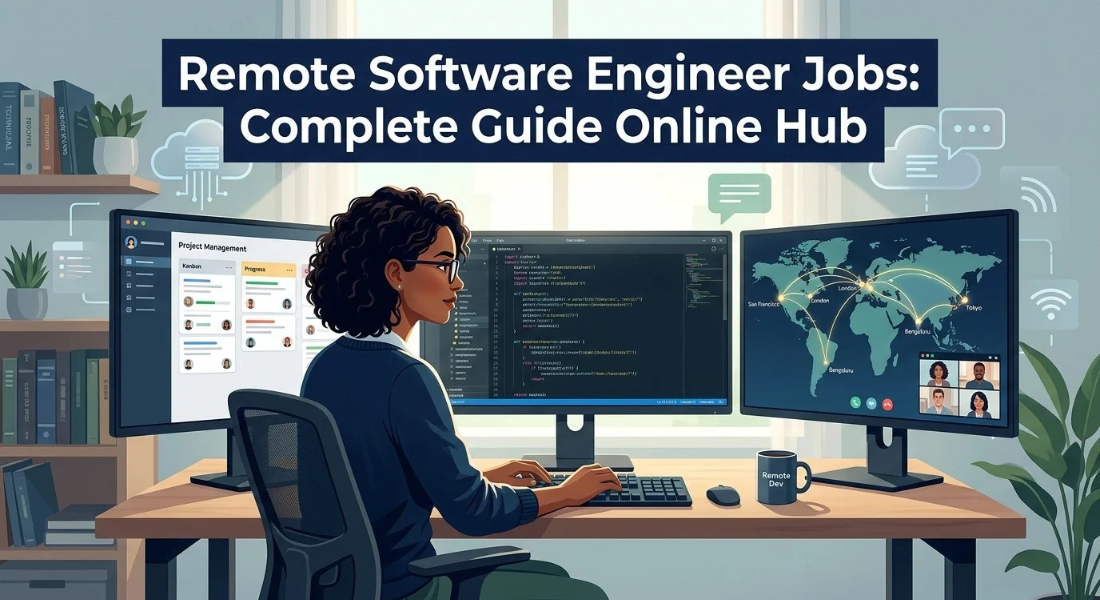
Many software engineers want location flexibility but struggle to find reliable remote opportunities that match their skills. Remote software engineer jobs are positions that allow engineers to work outside traditional offices through remote first, fully remote, or distributed team arrangements.
This guide explains where to find these jobs, how remote hiring works, and how to improve applications.
Remote software engineer jobs allow professionals to work outside traditional offices through remote first, fully remote, or distributed team models.
Remote opportunities can be found through specialised job boards, company career pages, technology platforms, and professional networks.
Successful remote hiring depends on technical evaluation, communication ability, collaboration habits, and independent work skills.
Candidates can improve applications by highlighting remote experience, online presence, and evidence of self managed work.
Before accepting a role, review remote policies, time zone expectations, compensation structure, and employment terms.

Remote software engineer jobs are positions where engineers complete development work outside traditional offices using online collaboration tools and digital workflows.
These roles allow professionals to work from different locations while companies use remote hiring to access wider talent pools and support distributed teams.
Remote first organisations usually rely on documentation, online communication, and asynchronous collaboration to manage remote work effectively.
Remote opportunities exist across many engineering positions, including front end, back end, and full stack roles. Companies also hire remotely for cloud, DevOps, security, and specialised engineering positions.
The availability of each role depends on company structure, technical requirements, and collaboration needs. Some organisations hire globally while others restrict remote roles to specific regions or time zones.
Remote software engineer jobs are a specialised part of the wider software engineering field. For a complete overview of software engineering skills, roles, technologies, and career paths see our Software Engineer guide →
Finding suitable remote opportunities requires using platforms that specialise in remote hiring alongside traditional technology job sources. Remote focused websites can help candidates discover companies that actively support distributed work models.
Dedicated remote job boards such as We Work Remotely and Remote OK publish technology focused positions from companies hiring outside traditional offices. Broader platforms like LinkedIn Jobs and Indeed also include remote engineering roles with filters for location flexibility.
Company career pages are another valuable source because some employers publish openings directly before sharing them on external platforms. Remote first companies such as GitLab and Automattic are known for distributed working approaches.
Startup focused platforms like Wellfound can also help engineers discover remote opportunities with early stage companies. A strong search strategy usually combines multiple sources rather than relying on one platform.
Different platforms suit different job search goals. Some focus entirely on remote work while others provide access to wider technology hiring networks.
Platform | Best For | Main Advantage |
LinkedIn Jobs | Global companies | Recruiter connections and networking |
We Work Remotely | Remote only positions | Dedicated remote listings |
Remote OK | Global remote roles | Wide range of remote opportunities |
Wellfound | Startup opportunities | Access to early stage companies |
FlexJobs | Curated remote jobs | Screened job listings |
Candidates should compare platforms based on job quality, company type, and role relevance instead of applying through only one channel.

The remote hiring process usually follows a digital first approach where companies evaluate technical ability, communication, and readiness for distributed work.
The process often begins with an online application followed by remote screening through email, questionnaires, or recruiter conversations. Companies may then conduct technical assessments to evaluate problem solving approaches and practical skills.
Video interviews are commonly used to discuss experience, technical decisions, and collaboration habits. Some companies include multiple conversations with engineers, managers, or team members before making an offer.
Remote hiring often places additional attention on communication because engineers need to share progress, document decisions, and collaborate without constant in person interaction.
Remote companies often evaluate qualities that help employees work effectively without direct office supervision.
Common signals include:
Clear written and verbal communication
Strong documentation habits
Experience collaborating through online tools
Ability to manage tasks independently
Flexibility with team time zones
These factors help hiring teams understand whether candidates can contribute effectively within distributed environments.
Improving your chances requires showing employers that you can succeed in a remote environment. A resume for remote roles should highlight experience with distributed teams, online collaboration, and independent project ownership.
Your online presence can also influence hiring decisions. A clear LinkedIn profile, relevant portfolio, or public project examples can help recruiters understand your practical experience.
When applying focus on roles that match your background instead of sending identical applications everywhere. Tailoring your resume and explaining how your experience fits the company’s remote workflow can improve relevance.
Remote employers also value evidence that you can organise work independently. Showing examples of documentation, async communication, or managing projects without constant supervision can strengthen your application.
Remote interviews require preparation beyond technical assessments. Candidates should practise explaining technical decisions clearly through video conversations and written communication.
Coding assessments may be completed through online platforms while interviews often include discussions about previous projects and collaboration experiences.
Prepare examples that demonstrate how you solved problems, communicated with teammates, and handled independent responsibilities in remote environments.
Before accepting a remote role review the company’s working expectations carefully. Remote positions can differ significantly depending on policies around location, communication, and employee support.
Check whether the company operates fully remote, requires specific working hours, or expects overlap with certain time zones. Understanding communication practices can help you decide whether the work environment matches your preferences.
You should also review employment structure including whether the role is offered as an employee position or contractor arrangement. Compensation, equipment support, benefits, and payment methods can vary between companies.
According to the U.S. Bureau of Labor Statistics software developer employment is projected to grow 16% from 2024 to 2034 showing continued demand for software related roles. U.S. Bureau of Labor Statistics

Remote work models vary depending on how companies organise collaboration.
Work Model | Meaning |
Fully Remote | No regular office requirement |
Remote First | Remote is the default working model |
Hybrid | Combination of remote and office work |
Understanding these differences helps candidates choose roles that match their preferred working style and availability.
Remote software engineer jobs provide opportunities to work with companies beyond traditional geographic limits but finding the right role requires a focused search strategy.
Using suitable platforms, preparing for remote hiring processes, and demonstrating remote collaboration skills can improve your chances of success. Understanding company expectations is essential before accepting a remote engineering position.
Remote software engineer jobs are positions where engineers work outside traditional offices using digital tools for communication and collaboration.
You can find them through remote job boards, company career pages, hiring platforms, and professional networks.
Yes but availability depends on company location policies, time zones, and employment requirements.
Compensation varies by employer, experience, location, and payment structure. Remote roles may use different salary models.
Employers value technical ability along with communication, documentation, collaboration, and independent work skills.
Improve your chances by targeting suitable roles, customising applications, building an online presence, and preparing for remote interviews.





Reader Discussion
Leave a Reply