- by Daily Talkin Staff
- July 8, 2026
-

-
-
Loading
Loading
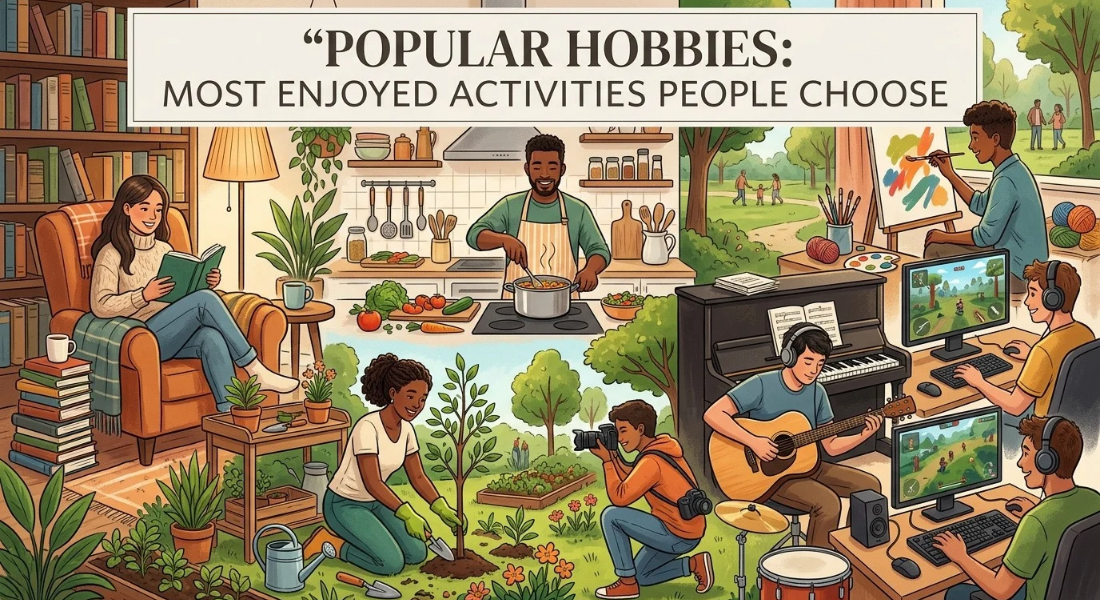
Finding a hobby that matches current interests can be easier by exploring activities that millions of people already enjoy. Popular hobbies are widely practised activities that attract people because of accessibility, creativity, enjoyment, or social connection.
This guide explores the most recognised hobby choices today how popularity is measured, and why creative, outdoor, social, and digital activities continue to remain widely enjoyed across different communities.
Popular hobbies include reading, cooking, gardening, photography, gaming, music, crafts, fitness activities, and outdoor recreation.
Hobby popularity is influenced by participation rates, accessibility, communities, cultural influence, and digital trends.
Creative hobbies such as photography, writing, painting, and baking remain widely enjoyed across different groups.
Outdoor hobbies like walking, hiking, cycling, and gardening continue to attract people through recreation and community participation.
Digital hobbies such as gaming, digital art, and content creation are growing as technology changes leisure activities.

Popular hobbies are activities enjoyed by large numbers of people across different communities, cultures, and lifestyles. Some of the most widely recognised examples include reading, cooking, gardening, photography, fitness activities, gaming, music, arts and crafts, and outdoor recreation.
The popularity of these activities often comes from their accessibility and flexibility. Reading requires minimal equipment, cooking fits into everyday routines, and photography has become easier through smartphones and digital tools.
Other activities gain popularity through strong communities. Gaming platforms, fitness groups, book clubs, and outdoor clubs allow people to connect around shared interests.
A hobby can remain popular for decades because it adapts to changing lifestyles. Traditional activities such as gardening and cooking continue alongside modern interests like gaming and digital creativity.
A hobby becomes recognised as popular through several signals rather than one single measurement. Participation rates, search interest, community growth, cultural visibility, and availability of resources all help show how widely an activity is practised.
For example leisure participation studies often track how people spend their free time. According to the U.S. Bureau of Labor Statistics people in the United States spend significant portions of their leisure time on activities such as socialising, watching television, sports, and recreation.
Search trends also reveal changing interests. Activities like gaming, photography, and digital creativity have grown as technology has created easier ways for people to participate and share their work.
A long lasting hobby usually combines accessibility with continued interest. Activities that have strong communities, affordable entry points, and regular participation opportunities are more likely to stay popular over time.
Some hobbies become widely enjoyed because they are easy to start and available to different groups of people. Reading, walking, cooking, and photography are examples of activities with simple entry requirements.
Social influence also affects popularity. Communities, online platforms, and shared experiences encourage more people to discover and participate in certain hobbies.
Digital platforms have accelerated this process by allowing people to learn, share, and follow hobby related trends. Accessible tutorials, online groups, and creative communities can quickly increase interest in an activity.
Creative hobbies remain among the most popular choices because they allow people to produce, explore, and share ideas. Photography, painting, drawing, writing, crafts, music, and baking are widely recognised creative activities.
Photography has become especially accessible because smartphones allow people to capture and edit images without specialised equipment. Online platforms have also helped photography communities grow worldwide.
Painting, drawing, and crafts continue to attract people interested in handmade creativity. Activities such as pottery, knitting, and DIY projects remain popular because they combine traditional skills with modern creative trends.
Writing and music are also long standing hobbies. From journaling and storytelling to playing instruments and creating digital music these activities continue to attract people across different age groups.
Baking has gained popularity through social media communities where people share recipes, techniques, and creative designs. Its combination of practical and artistic elements helps it remain a widely enjoyed activity.
Active and outdoor hobbies remain popular because they provide enjoyable ways for people to spend time outside and participate in recreational activities. Walking, hiking, cycling, gardening, swimming, sports, and dancing are common examples.
Walking is one of the most accessible outdoor activities because it requires little equipment and can be adapted to different environments. Hiking and cycling attract people who enjoy exploring nature and joining outdoor communities.
Gardening continues to be a popular hobby because it combines outdoor activity with creativity. The National Gardening Association has reported millions of households participate in gardening activities showing its continued popularity.
Sports and dancing also maintain strong participation because they often involve social groups and organised communities. Local clubs, classes, and events help these activities remain connected to wider communities.

Social and digital hobbies have become increasingly popular as technology changes how people connect and create. Book clubs, volunteering, group classes, and community activities remain common ways people participate in shared interests.
Book clubs combine reading with social interaction while volunteering connects people through community focused activities. Group classes such as dance, art, or fitness sessions also create shared hobby experiences.
Digital hobbies have expanded rapidly through online platforms. Gaming, content creation, digital art, and online learning communities allow people to participate without geographical limitations.
Gaming has become one of the largest digital leisure activities worldwide, supported by online communities and competitive events. Digital creativity has also grown as more people use software tools for design, video creation, and artistic projects.
Technology has not replaced traditional hobbies; instead it has created new ways for people to practise, share, and connect around activities they enjoy.
Modern hobby trends are increasingly influenced by digital platforms and online communities. Digital art, streaming related activities, video creation, and technology ssisted creative projects have gained attention as creative tools become more accessible.
Online communities allow people to discover niche interests and connect with others who share similar activities. This has helped newer hobbies grow beyond local communities.
Technology assisted hobbies continue to develop because they combine creativity with modern tools. Activities such as digital illustration, content creation, and online learning reflect changing patterns in how people spend leisure time.

This article explores one specific part of hobbies by focusing on widely enjoyed activities and current popularity trends. For a complete overview of hobby types, benefits, and ideas see our complete guide on Hobbies →.
Hobby | Category | Why It Is Popular |
Reading | Learning | Accessible and widely available |
Cooking | Creative | Practical and enjoyable |
Photography | Creative | Combines technology and creativity |
Gardening | Outdoor | Relaxing and accessible |
Gaming | Digital | Large online communities |
Hiking | Active | Outdoor recreation and exploration |
Popular hobbies reflect the activities people continue to enjoy across creative, active, social, and digital spaces. While trends change activities such as reading, cooking, gardening, photography, fitness, and gaming remain widely recognised because they fit different lifestyles.
Exploring these popular choices can help you discover activities that match current interests, cultural trends, and personal curiosity.
Popular hobbies include reading, cooking, gardening, photography, gaming, crafts, music, and outdoor activities because they are widely enjoyed and accessible.
A hobby becomes popular through high participation, strong communities, easy access, and cultural or digital influence.
Photography, painting, writing, crafts, baking, and music are popular creative hobbies because they encourage self expression and creativity.
Walking, hiking, cycling, gardening, swimming, and sports are popular outdoor hobbies enjoyed by many people.
Yes. Gaming, digital art, content creation, and online communities are growing as technology becomes part of daily leisure.
Reading, walking, writing, drawing, gardening, and online learning are affordable hobbies that need minimal resources.





Reader Discussion
Leave a Reply