- by Daily Talkin Staff
- July 8, 2026
-

-
-
Loading
Loading
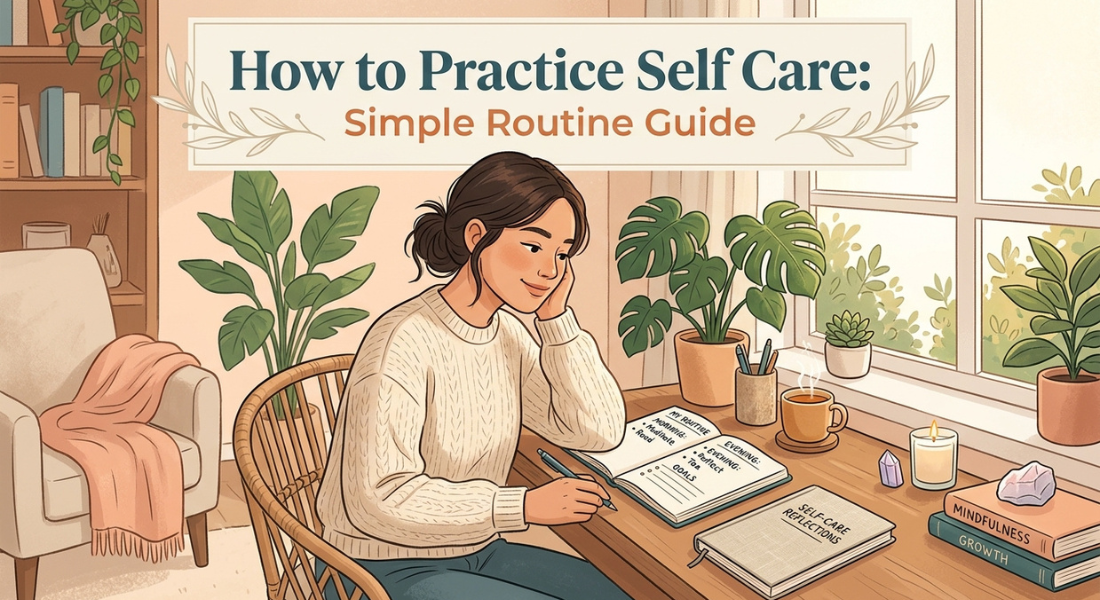
Many people understand that self care matters but struggle to turn it into a habit they can maintain. How to Practice Self Care means creating realistic actions that support your wellbeing based on your personal needs.
This guide explains how to start, structure, maintain, and adjust a self care practice that fits your life.
Practising self care starts with understanding your personal needs rather than copying someone else’s routine.
Sustainable self care habits are built through small, realistic actions that fit your lifestyle.
Consistency matters more than creating a perfect routine that is difficult to maintain.
Regular reflection helps you identify what works and adjust your approach over time.
A successful self care practice should support your wellbeing without becoming another source of pressure.

Practising self care means creating intentional habits that support your wellbeing by recognising and responding to your personal needs. It is not just about relaxation it involves applying supportive actions consistently in daily life.
Knowing self care ideas is different from practising them. A sustainable approach focuses on realistic habits that fit your lifestyle, responsibilities, and changing needs rather than creating a perfect routine.
According to the American Psychological Association (APA) healthy coping strategies and stress management approaches can support psychological wellbeing by helping people manage daily challenges effectively.
Knowing self care ideas does not always mean applying them consistently. Many people understand helpful habits but struggle to fit them into their daily routines.
The key difference is moving from awareness to action. Effective self care comes from choosing realistic practices that match your lifestyle then building consistency through regular repetition.
Starting a self care practice begins with understanding your current needs rather than changing your entire lifestyle. Identify areas where you feel overwhelmed, low on energy, or out of balance.
Choose one or two realistic habits that fit your schedule instead of creating a complex routine. Small actions are easier to maintain and help build confidence over time.
For example protecting ten minutes of personal time each day can be a practical starting point for someone with a busy schedule. Self care should adjust to your life not create extra pressure.
The National Institutes of Health (NIH) highlights that healthy lifestyle behaviours and consistent habits contribute to overall health and wellbeing.
The first step in building a personal self care practice is recognising what needs attention. This requires honest reflection rather than copying routines that work for other people.
Ask yourself:
What currently feels overwhelming in my daily life?
What personal need have I been ignoring?
Which small habit could improve my everyday experience?
Your answers help you choose actions that solve real problems instead of adding unnecessary tasks.
Personalisation matters because self care needs change depending on responsibilities, stress levels, and life circumstances. A useful practice should respond to your current situation.
A common mistake is trying to change everything at once. Large lifestyle changes can become difficult to maintain because they require too much effort and adjustment.
Starting with one realistic habit creates lasting progress. Small consistent actions build confidence and make it easier to expand your self care practice over time.
A self care routine works best when it fits your lifestyle, schedule, and personal needs. Instead of following an ideal plan create habits that feel realistic and easy to maintain. Choose a time and structure that matches your daily routine.
Some people prefer morning habits while others find evening routines easier to follow after completing responsibilities. Consistency matters more than intensity. Small actions repeated regularly are often easier to maintain than occasional major efforts.
This article focuses specifically on building and maintaining your personal practice.”Self Care Ideas explores” See the full guide here →
A flexible routine can adapt during busy periods or life changes without becoming another source of pressure.
Daily self care habits build consistency by becoming part of your normal routine. They should be simple enough to continue even during busy periods.
Weekly reflection helps you review progress and adjust your approach. Flexible habits also make self care easier to maintain when your time, energy, or circumstances change.

Consistency is the foundation of a sustainable self care practice. A routine does not need to be time consuming it needs to be realistic enough to continue regularly. Connecting habits with existing routines can make them easier to maintain.
For example adding a short reflection practice to an evening routine creates a natural reminder. Tracking progress helps you understand changes in energy, mood, stress levels, and daily balance.
Reviewing your habits regularly also allows adjustments as your needs change. Missing a routine occasionally does not mean failure. It provides an opportunity to identify barriers and improve your approach.
Busy periods can make self care harder to maintain but reducing expectations can help you stay consistent. Instead of stopping completely use smaller versions of your usual habits. A shorter practice is often more sustainable than abandoning your routine.
The goal is not perfection but continuing simple actions that support your wellbeing during demanding times.
Tracking self care progress helps you understand whether your habits are creating positive changes. This does not require complicated systems; simple reflection can provide useful insights.
Pay attention to patterns such as changes in energy, emotional awareness, stress responses, and overall balance.
A weekly check in can help answer questions like:
Which habits are helping me most?
What feels difficult to maintain?
What needs adjustment?
Progress tracking should focus on personal improvement rather than comparing your routine with someone else’s approach.
Self care routines often become difficult when they are based on unrealistic expectations instead of personal needs. Treating self care as another task can make it feel stressful rather than supportive.
Copying someone else’s routine may also create challenges because their habits may not match your schedule, energy levels, or lifestyle.
Expecting immediate results or making too many changes at once can reduce consistency. Sustainable self care develops through realistic actions, flexibility, and regular adjustment as your needs change.
A self care routine can fail when it does not match your lifestyle, available time, or personal needs. Habits that only work under ideal conditions are difficult to maintain during stressful periods.
Creating too many changes at once can also reduce motivation. Building one sustainable habit at a time creates a stronger foundation. Regular review and adjustment help keep your routine effective. If a habit no longer supports your wellbeing modify it instead of giving up completely.
Taking a break from self care does not mean the practice has failed. Changes in responsibilities, health, or daily circumstances can affect your ability to maintain routines. Restart by avoiding guilt and choosing one manageable habit.
Trying to rebuild everything at once can create unnecessary pressure. Reassess your current needs because your lifestyle may have changed. A previous routine may need adjustment to fit your situation today.
A sustainable self care practice allows flexibility. Restarting is part of the process and helps you continue building habits that support your wellbeing.
Long term selfcare requires habits that can adapt as your needs, priorities, and responsibilities change. A sustainable practice does not stay fixed; it evolves over time.
The most effective approach remains supportive rather than stressful. Self care should help maintain balance without becoming another pressure in your daily life.

A self care practice is working when it supports your wellbeing and helps you handle daily challenges more effectively. Success looks different for each person and should not be measured only by productivity.
Look for changes such as improved self awareness, emotional balance, better stress management, and greater consistency with supportive habits. Regular reflection helps you understand whether your routine is creating positive results.
If it feels stressful or difficult to maintain it may need adjustment. Self care is an ongoing process that evolves with your changing needs and circumstances.
A self care routine may need adjustment when it starts feeling like another obligation instead of a supportive practice. Common signs include increased stress, difficulty maintaining habits, or routines that no longer match your current needs.
Changes in responsibilities, schedules, or goals may require a different approach. Adjusting your routine helps it continue supporting your wellbeing without starting over.
Practising self care is about creating realistic habits that support your wellbeing over time. The goal is not to build a perfect routine but to develop a flexible system that adapts as your needs change.
Start with one manageable action, build consistency, and adjust your approach when necessary. A sustainable self care practice grows through small steps that fit your everyday life.
Start by identifying your needs and choosing one realistic habit. Small consistent actions are easier to maintain than major changes.
Practise self care regularly through habits that fit your schedule and personal needs. Consistency matters more than frequency.
Routines become difficult when they are unrealistic or do not match your lifestyle. Flexibility helps maintain consistency.
Use smaller versions of your habits during busy periods instead of stopping completely. Simple actions can still support wellbeing.
Habit development varies by person. Regular repetition of realistic actions is more important than a fixed timeline.
Choose meaningful habits, connect them with existing routines, and adjust them as your needs change.





Reader Discussion
Leave a Reply