- by Daily Talkin Staff
- July 8, 2026
-

-
-
Loading
Loading
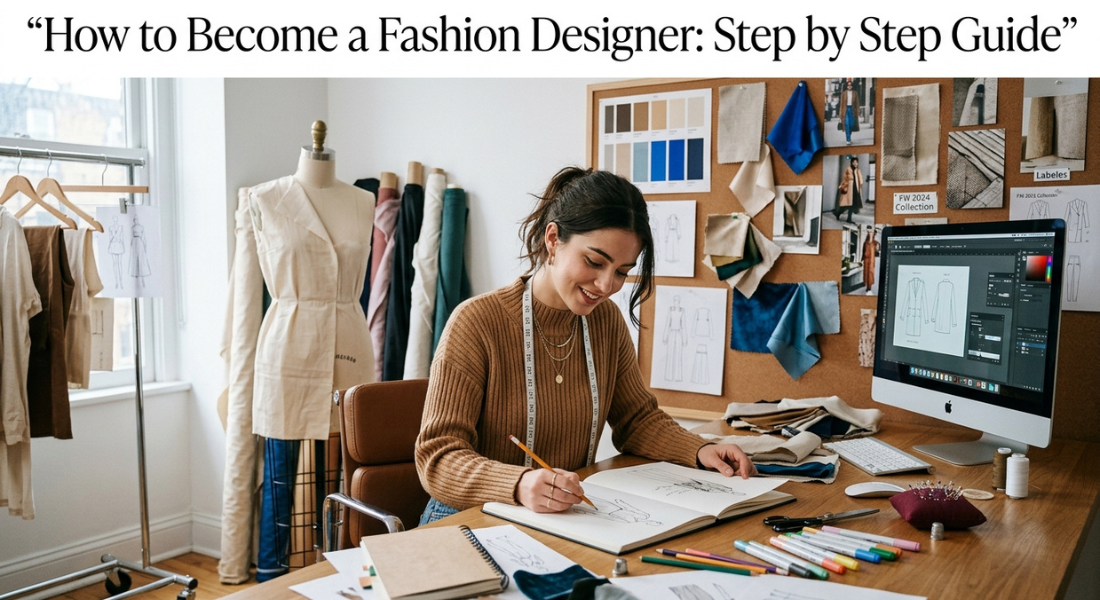
Have a passion for fashion but unsure how to become a fashion designer and turn creative ideas into a real career? The journey requires more than drawing sketches it involves developing design skills, learning technical basics, building a strong portfolio, and gaining practical experience.
This guide explains the key steps to enter fashion design from choosing the right learning pathway and improving essential skills to creating projects and preparing for your first professional opportunities.
Becoming a fashion designer requires creative skills, technical knowledge, portfolio development, and practical experience.
A fashion design degree is one pathway but self learning and project-based development can also support entry.
Beginners should learn design fundamentals, sewing, textiles, garment construction, and digital tools.
A strong portfolio should show both finished designs and the creative process behind them.
Internships, collaborations, and personal projects help build professional experience.

To become a fashion designer start by creating a clear learning path based on your interests and current abilities. Assess your skills in areas like drawing, creativity, sewing, and visual communication to identify what you need to improve.
Build a foundation by learning design principles, materials, and basic construction skills. Start with small projects, online courses, or personal design challenges to develop practical experience.
A degree is one pathway but it is not the only option. Self learning, workshops, online courses, and practical projects can also help develop the skills needed to enter fashion design.
A strong portfolio that shows your creativity and technical ability can demonstrate your potential, even without formal qualifications.
The timeline depends on your learning route, experience, and practice. Formal education may take several years while self learning can vary based on consistency.
Building basic skills is only the first step; becoming job ready requires creating projects, improving techniques, and developing a strong portfolio.
Choosing an education route depends on your goals, budget, and preferred learning style. A formal fashion design programme offers structured lessons, access to resources, industry projects, and guidance from experienced educators.
Degree programmes often cover design development, textiles, garment construction, digital tools, and portfolio creation. However alternative routes such as online courses, workshops, mentorship, and self directed projects can also help you build relevant skills.
The best pathway is the one that helps you develop practical abilities and create strong evidence of your design work.
Fashion designer is a broad profession covering design concepts, skills, specialisations and industry pathways. This guide focuses specifically on the steps needed to enter the field. For the complete overview see our Fashion Designer guide →
Fashion design courses teach both creative and technical skills, including design principles, illustration, textiles, garment construction, digital tools, and portfolio development.
Many programmes include practical projects that help students turn ideas into finished designs. According to the U.S. Bureau of Labor Statistics fashion designers typically need a bachelor’s degree, although requirements vary by employer and location.
To become a fashion designer you need both creative ability and technical knowledge. Creativity helps you develop original ideas while technical skills help turn those ideas into practical designs.
Beginners should focus on building skills in visual thinking, materials, sketching, sewing basics, and garment construction. You do not need to master everything at once but a strong foundation helps you improve through practice.
Creative skills help transform ideas into clear design concepts. Beginners should practise fashion sketching, colour understanding, visual research, and mood board creation.
Developing original ideas is also important. Instead of only following trends practise creating designs based on your own inspiration, observations, and creative direction.
Technical skills help designers understand how garments are made. Start with sewing basics, fabric knowledge, pattern making, and garment construction principles.
Understanding materials and construction makes it easier to create practical designs and communicate ideas with production teams. Learning digital tools such as CAD can also support modern fashion design workflows.

A fashion design portfolio demonstrates your creative thinking, technical progress, and ability to develop ideas into finished designs. For beginners the focus should be on showing potential and a clear design process.
Start with personal projects based on themes, concepts, or challenges. Include your research, sketches, fabric choices, experiments, and revisions to show how your ideas develop.
The National Careers Service (UK) highlights designs, mood boards, technical drawings, and completed fashion items as useful portfolio evidence for aspiring designers.
A beginner portfolio should include creative and technical work, such as:
Fashion sketches and original ideas
Mood boards for inspiration
Technical drawings
Fabric research
Completed garments or prototypes
Small collection concepts
Focus on quality rather than quantity. Well developed projects can show your skills more effectively than many unfinished designs.
You can create portfolio projects without industry experience by practising through personal challenges and experiments.
Try redesigning existing garments, creating small collections, testing fabrics, or documenting your design process. Showing the journey from concept to final piece demonstrates creativity, improvement, and problem solving skills.
Practical experience helps transform fashion knowledge into professional ability. Before securing a full time role aspiring designers can build experience through internships, assistant positions, collaborations, freelance projects, and independent collections.
Internships and assistant roles provide exposure to professional workflows including how teams develop ideas, manage deadlines, communicate designs, and prepare products. They also help beginners understand expectations beyond classroom learning.
Collaborating with photographers, models, stylists, makers, or other creatives can create opportunities to practise working on real projects. Even small collaborations can strengthen a portfolio when the process and outcomes are documented.
Competitions, exhibitions, and fashion events can also provide valuable experience by encouraging designers to present their work publicly and receive feedback.
The goal at this stage is not only gaining experience but creating evidence that shows your ability to contribute to fashion projects.
Internships and industry projects introduce aspiring designers to professional environments and realistic workflows.
They help beginners understand how creative ideas connect with production schedules, teamwork, revisions, and client or brand expectations.
These experiences can also build professional relationships and improve confidence when applying for future opportunities.

Preparing for your first fashion design opportunity requires more than creating designs. You need to present your skills clearly and show that you can develop ideas into organised projects.
Start by refining your portfolio so it highlights your strongest work. Arrange projects logically, explain your creative decisions, and include development stages rather than only finished designs.
Professional connections can also support early career progress. Networking through fashion events, creative communities, internships, and online platforms can help you discover learning opportunities and potential roles.
When applying for beginner positions, focus on showing your willingness to learn, technical foundation, and ability to contribute. Entry level opportunities often value potential, consistency, and practical skills.
Continue improving after your first applications. Fashion design requires ongoing practice because techniques, technologies, and creative approaches continue to evolve.
New designers often focus heavily on artistic ideas while ignoring the technical side of design. Strong concepts need construction knowledge, material awareness, and practical development.
Avoid copying trends without developing your own perspective. Research can inspire ideas, but personal direction helps create more original work.
Another common mistake is waiting for perfection before creating projects. Regular practice, feedback, and improvement are essential parts of developing as a designer.
Becoming a fashion designer requires gradual development rather than one single qualification. Building creative and technical skills, creating a strong portfolio, choosing the right learning route, and gaining practical experience all contribute to entering the field.
Consistent practice and purposeful projects create the foundation needed to move towards professional fashion design opportunities.
Yes Self learning, courses, workshops, and practical projects can help you build skills and create a strong portfolio.
Start with design principles, sketching, sewing basics, fabric knowledge, and creative development skills.
Yes sewing knowledge helps designers understand garment construction and create more practical designs.
A portfolio shows your creativity, technical skills, design process, and completed work to employers or clients.
Requirements vary. A degree can help but skills, experience, and a strong portfolio are also valuable.
Beginners can gain experience through internships, personal projects, collaborations, freelance work, and assistant roles.



Reader Discussion
Leave a Reply