- by Daily Talkin Staff
- July 8, 2026
-

-
-
Loading
Loading
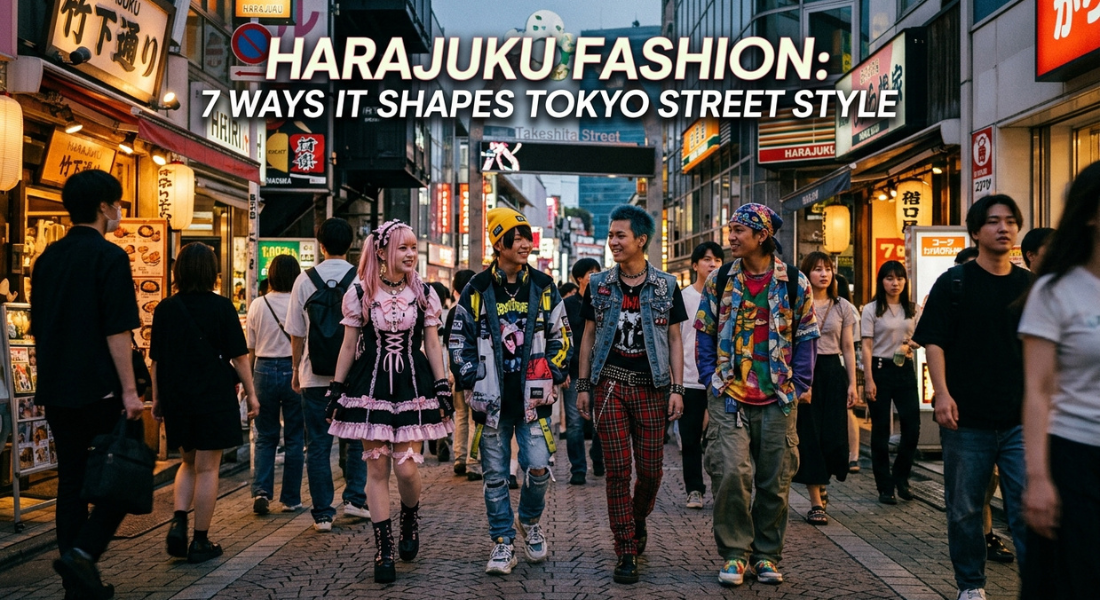
Harajuku fashion is more than a clothing trend it is a global symbol of creativity, individuality, and fearless self expression. Born in the streets of Tokyo, this iconic movement has inspired designers, artists, and fashion enthusiasts for decades by encouraging people to create their own identity instead of following traditional fashion rules.
Whether you are curious about its origins, fascinated by its colourful subcultures, or looking for styling inspiration, this guide covers everything you need to know. You'll discover its history, the most influential styles, famous shopping destinations, modern trends, and practical tips to help you understand why this movement continues to shape streetwear around the world.
Harajuku fashion is a Japanese street fashion movement built around creativity, individuality, and fearless self expression rather than following traditional fashion rules.
The movement originated in Tokyo’s Harajuku district during the 1970s and evolved through youth culture, music, independent designers, and street communities.
Harajuku fashion includes diverse subcultures such as Decora, Lolita, Kawaii, Fairy Kei, Visual Kei, Gothic, and Punk styles.
Layering, bold colours, unique accessories, experimental hairstyles, and mixed aesthetics are the core elements of Harajuku street fashion.
Takeshita Street and Laforet Harajuku remain important destinations for discovering Japanese street style and creative fashion trends.
Modern Harajuku fashion continues to influence global streetwear through social media, sustainability, vintage fashion, and digital communities.
The true spirit of Harajuku fashion is originality creating outfits that represent personal identity rather than copying existing trends.
Harajuku fashion is a Japanese street fashion movement that emerged in Tokyo's Harajuku district. Rather than representing a single aesthetic, it brings together multiple subcultures that celebrate individuality, experimentation, and visual creativity.
The movement takes its name from Harajuku Station, located between Shibuya and Shinjuku. Over time, the area became a gathering place for young people who expressed themselves through bold, unconventional outfits and distinctive personal style.
Today, these iconic Japanese street styles are recognised globally as symbols of fashion freedom, inspiring luxury designers, influencers, and streetwear communities around the world.
Harajuku fashion began in the 1970s when Japanese youth started rejecting traditional clothing norms and experimenting with personal style. Western fashion influences blended with Japanese creativity, forming a new street identity in Tokyo.
Weekend gatherings near Meiji Shrine and Yoyogi Park became early spaces for self expression. Young people showcased handmade outfits, vintage combinations, and experimental styling that attracted photographers and media attention.
This visibility helped harajuku street fashion evolve from a local subculture into a globally recognised creative movement.
Harajuku fashion stands apart because it is not restricted to a single aesthetic. Instead, it brings together diverse styles such as Lolita, Decora, Kawaii, and Gothic under one creative umbrella. Unlike structured fashion systems, these street style subcultures encourage complete freedom of interpretation.
Individuals mix vintage clothing, modern pieces, and handmade accessories to create highly personalised outfits that reflect their own identity. This openness has allowed the movement to evolve continuously, adapting to each generation's creativity while remaining true to its spirit of self-expression.
Harajuku fashion developed over several decades through youth culture, music, and independent fashion communities in Tokyo. It evolved from underground expression into a global fashion reference point.
In the 1970s young people in Harajuku began using fashion as a tool for identity expression. Small boutiques and street gatherings helped shape early harajuku street fashion culture.
The movement takes its name from Harajuku Station, located between Shibuya and Shinjuku. The area gradually evolved into a cultural hub where young people expressed themselves through bold, unconventional outfits and distinctive personal style.
Today, it remains one of Japan's most recognised destinations for creative street fashion and self expression.
FRUiTS magazine, created by photographer Shoichi Aoki, documented real street style instead of professional models. By showcasing authentic personal expression, the publication introduced Tokyo's creative fashion culture to an international audience and helped the movement gain global recognition.
Today, the movement continues to evolve through digital culture, sustainability, and global streetwear fusion. Social media platforms have expanded its influence far beyond Tokyo, inspiring fashion communities and creators worldwide.
Tokyo's street fashion became globally popular because it transformed everyday people into style influencers. Instead of following elite fashion systems, it celebrated grassroots creativity and personal expression.
The movement spread internationally through street photography, fashion magazines, and later social media platforms. Visitors shared distinctive Tokyo outfits with audiences worldwide, turning Harajuku into a living fashion exhibition.
This accessibility made harajuku street fashion one of the most influential youth fashion movements internationally. According to the Tokyo Metropolitan Government, Tokyo welcomed more than 504 million domestic and international visitors in 2024, including a record 24.79 million international visitors.
This continued growth has strengthened the city's position as one of the world's leading fashion and cultural destinations.
Takeshita Street is considered the cultural heart of Harajuku’s street fashion scene. It is known for its vibrant boutiques, themed cafés, and constantly evolving style trends. The area attracts both locals and tourists who want to experience real-time fashion creativity and youth culture.
Many new street style trends emerge here before gaining international attention. The district’s fast-moving culture reflects the experimental spirit of the movement, where individuality and creative styling remain at the centre of every look..
Harajuku fashion includes multiple subcultures that reflect different moods, identities, and creative directions. These styles together form a diverse fashion ecosystem.
Decora fashion is defined by excessive layering of colourful accessories such as clips, toys, and stickers. It represents playful maximalism in harajuku street fashion.
Lolita fashion features Victorian-inspired silhouettes with lace, structured dresses, and modest styling. It is one of Japan's most distinctive street style subcultures, blending historical influences with modern creativity.
Fairy Kei focuses on pastel colours and nostalgic childhood themes. Its soft, dreamy aesthetic continues to attract attention from fashion media and style enthusiasts around the world.
Visual Kei originated from Japanese music culture and is recognised for its dramatic makeup, elaborate hairstyles, and theatrical outfits. Its bold aesthetic has had a lasting influence on Japan's contemporary street style.
Gothic Harajuku uses dark tones, lace, and structured silhouettes. It offers a moody contrast to colourful styles.
Harajuku Punk expresses rebellion through DIY clothing, ripped fabrics, and bold styling. It represents anti mainstream creativity.
Kawaii fashion focuses on cuteness, pastel colours, and playful visuals. It has become one of Japan's most globally recognised street style movements, inspiring designers and fashion enthusiasts worldwide.
Cosplay brings anime and gaming culture into street fashion. It adds a performance-based element to creative self-expression, blending costume design with everyday style.
Harajuku street fashion is built on layering, creativity, and self expression. It has no fixed rules only creative direction.
Layering combines textures, oversized pieces, and mixed fabrics to create depth and visual interest. It is a defining technique that allows individuals to express their creativity through unique outfit combinations.
Accessories such as jewellery, bags, hair clips, and statement pieces help define personal style and add individuality to every outfit.
Bold hair colours and experimental makeup complete the look, creating a distinctive visual identity that reflects confidence, creativity, and individuality.
Platform shoes and creative bags enhance outfit individuality and overall styling impact.
There are no limits in colour combinations from soft pastels to neon contrasts in harajuku street fashion.
Creating a Harajuku fashion outfit begins with self-expression rather than rules. Each outfit reflects personality and creativity. Choosing a base style such as Decora, Kawaii, or Gothic provides a strong starting point, while combining different subcultures creates a more unique and personalised look.
Mixing colours, textures, and accessories is essential to achieving this distinctive street style. Confidence and comfort are equally important, allowing every outfit to express individuality with authenticity.
Harajuku shopping districts play a major role in shaping fashion trends and inspiring new forms of creative self-expression.
Takeshita Street is the main hub of harajuku street fashion, filled with boutiques and youth focused shops.
Laforet Harajuku is a multi level fashion centre featuring independent and avant garde designers.
These stores offer affordable entry points for beginners and students who want to explore Japanese street style without a large budget.
ACDC RAG is known for bold, colourful designs representing Decora and Kawaii aesthetics.
Online platforms make Japanese street style accessible to a global audience through international shipping and digital marketplaces.
Harajuku fashion differs from more structured styles because it prioritises freedom and experimentation. Lolita fashion is more elegant and rule-based, while the broader street style movement encourages flexibility and personal expression. Gyaru focuses on glamour, whereas this creative scene celebrates individuality.
Visual Kei is rooted in Japanese music culture, while the movement draws inspiration from multiple influences. Kawaii fashion centres on cuteness, whereas the overall style culture embraces a much wider range of aesthetics and creative expression.
Harajuku is just one of the many unique types of fashion styles that have shaped modern fashion culture. While it is known for bold self-expression and creative freedom, exploring other fashion styles can help you understand how different aesthetics, influences, and cultural movements contribute to personal style and global fashion trends.
Modern Harajuku fashion continues to evolve through sustainability, digital influence, and the revival of vintage clothing. Second-hand shops in Tokyo have become increasingly popular, allowing people to create distinctive and personalised outfits while supporting more sustainable fashion choices.
Sustainability remains a growing priority, while social media influencers play a major role in introducing Japanese street style to global audiences. Digital platforms accelerate trend visibility, and future developments are expected to blend streetwear, technology, and traditional creativity in new and innovative ways.
The Japan National Tourism Organization (JNTO) continues to report strong international visitor growth, highlighting Japan's increasing global appeal and the rising interest in cultural districts such as Harajuku among overseas travellers
Over-accessorising is a common styling mistake that can reduce visual clarity. Balance is essential for creating a cohesive and eye-catching look. Ignoring proportion can make outfits appear chaotic instead of creative. A well-balanced silhouette helps maintain harmony while allowing personal expression.
Copying outfits without originality weakens creativity. Harajuku fashion values individuality above imitation, encouraging people to develop a style that reflects their own personality. Comfort is equally important, as confidence plays a major role in expressing personal style and bringing every outfit to life.
Harajuku fashion continues to influence global streetwear because it prioritises individuality over conformity. Its flexible nature allows continuous reinvention across generations, keeping the movement relevant in an ever-changing fashion landscape.
Tokyo's street style remains a global cultural force through youth culture, digital media, and creative communities. It continues to evolve while staying true to its core values of self-expression and originality.
Anyone can explore this style by mixing influences freely and expressing their personality without restrictions, which is why the movement continues to inspire people around the world.
Harajuku fashion is a Japanese street style movement focused on creativity and individuality.
Yes it remains globally popular through social media and Tokyo street culture.
Yes it has no rules and encourages personal expression.
You can shop in Takeshita Street, Laforet Harajuku, and online stores.
Its freedom, layering, and mix of styles make it unique globally.
It can be affordable or premium depending on shopping choices.





Reader Discussion
Leave a Reply