- by Daily Talkin Staff
- July 8, 2026
-

-
-
Loading
Loading
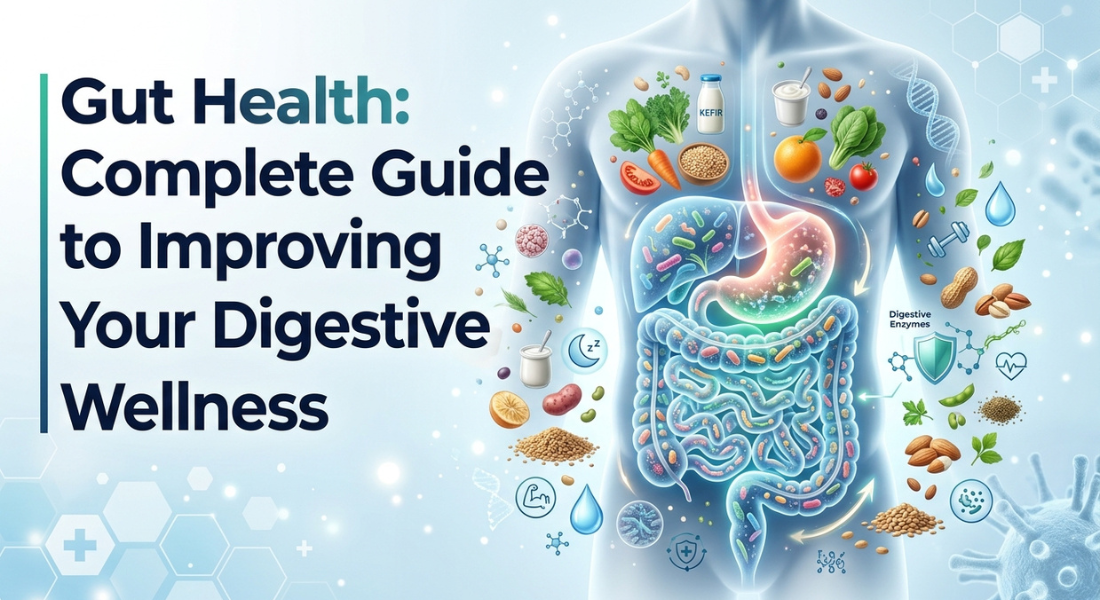
Gut health refers to the balance and function of the gastrointestinal system, including digestion, nutrient absorption, immune support, and the activity of the gut microbiome.
The digestive system, gut bacteria, immune system, metabolism, and gut brain axis work together to influence overall wellbeing. Diet, stress, sleep, medications, and lifestyle habits can affect this balance.
This guide explains how gut health works, signs of imbalance, common causes, natural improvement strategies, foods, supplements, testing methods, and current research.
Gut health involves digestion, the gut microbiome, immune function, metabolism, and gut brain communication.
A diverse gut microbiome supported by fibre rich foods can contribute to digestive balance.
Lifestyle factors such as sleep, stress management, exercise, and hydration influence gut wellbeing.
No single food, supplement, or test can completely define or fix gut health.
Evidence based habits and professional guidance are important for long term digestive wellness.

Gut health refers to the overall balance and function of the digestive system including the gastrointestinal tract, intestinal lining, gut bacteria, digestion, nutrient absorption, immune regulation, and waste removal.
Scientists now recognise that gut health extends beyond digestion. A balanced gut microbiome supports immune function, metabolism, inflammation regulation, and communication between the gut and brain.
Unlike simple digestive health gut health considers the wider condition of the gut environment. A person may have no obvious symptoms but still have changes affecting microbial diversity or intestinal function.
Maintaining gut health depends on consistent habits such as a balanced diet adequate fibre intake, hydration, physical activity, quality sleep, and appropriate medical support when required.
There is no single test that defines perfect gut health. Scientists describe it as the ability of the gastrointestinal tract to maintain normal digestion, nutrient absorption, microbial balance, intestinal function, and appropriate immune responses.
According to the International Scientific Association for Probiotics and Prebiotics (ISAPP) healthy gut function involves balanced digestive processes, a stable gut environment, and the absence of gastrointestinal disease.
Key factors include:
Effective digestion and nutrient absorption
A healthy intestinal barrier
Balanced gut bacteria
Proper immune regulation
Normal bowel function
Digestive health focuses on breaking down food, absorbing nutrients, and removing waste. Gut health includes these processes while also considering the gut microbiome, immune function, intestinal balance, and communication with other body systems.
Gut Health | Digestive Health |
Includes microbiome balance and intestinal function | Focuses on digestion and bowel processes |
Involves immunity, metabolism, and gut brain communication | Focuses on nutrient breakdown and waste removal |
Considers long term gut balance | Often focuses on current digestive symptoms |
A person may have normal digestion but still benefit from improving gut health through diet, lifestyle habits, and microbiome supporting choices.
The gut connects digestion with immune function, metabolism, and communication between the gut and brain. The gastrointestinal tract also acts as a protective barrier and supports interactions between gut microorganisms and the body.
Research shows that gut bacteria produce compounds that may influence inflammation, nutrient processing, and overall health. Supporting gut health can help maintain digestive comfort and healthy body functions.
A healthy digestive system helps the body:
Break down food into usable nutrients
Absorb vitamins, minerals, and energy
Maintain the intestinal barrier
Support balanced gut bacteria
Remove waste effectively
Digestive enzymes, stomach acids, bile, and intestinal movement work together to ensure efficient digestion and nutrient use.
The digestive system supports gut health by breaking down food, absorbing nutrients, removing waste, and creating an environment where beneficial microorganisms can function effectively. Food moves through the gastrointestinal tract where each organ performs a specific role.
The mouth starts digestion, the stomach breaks down food, and the intestines absorb nutrients while supporting the gut microbiome. When digestive processes become disrupted, it can affect nutrient availability, digestive comfort, and the overall balance of the gut environment.
Digestion begins in the mouth where chewing and saliva start breaking down food. It then moves through the oesophagus to the stomach where acid and digestive enzymes help break down proteins.
The partially digested food enters the small intestine where most nutrient absorption occurs. The large intestine absorbs water, forms waste, and supports trillions of microorganisms linked with gut health.
The small intestine contains villi that increase the surface area for absorbing nutrients, including carbohydrates, proteins, fats, vitamins, and minerals. The large intestine absorbs remaining water and contains gut bacteria that help process certain types of fibre.
A healthy digestive system ensures nutrients are delivered effectively while waste is removed through normal bowel movements.
The intestinal lining acts as a protective barrier that controls what enters the bloodstream from the digestive tract. A healthy intestinal barrier allows nutrients to pass through while helping prevent harmful substances and microorganisms from affecting the body.
The gut microbiome, immune system, and intestinal cells work together to maintain this protective function. Disruption of this balance may contribute to digestive issues and increased inflammation.
When digestive function is disrupted, symptoms such as bloating, irregular bowel movements, abdominal discomfort, or changes in digestion may occur. Common factors include poor diet quality, chronic stress, inadequate sleep, infections, and certain medications.
Persistent symptoms may be linked with conditions such as irritable bowel syndrome (IBS), inflammatory bowel disease (IBD), food intolerances, or other gastrointestinal disorders that require professional evaluation.
The gut microbiome is the community of microorganisms living in the digestive tract especially the large intestine. These bacteria, fungi, viruses, and other microbes interact with food, intestinal cells, and the immune system.
A balanced and diverse microbiome supports digestion, produces beneficial compounds from dietary fibre, and helps maintain a healthy intestinal environment. Researchers continue to study how microbial communities influence health, disease risk, and personalised nutrition.
The gut microbiome refers to all microorganisms living inside the gastrointestinal tract. These microbes include beneficial bacteria that help process certain foods and support normal body functions.
Gut bacteria are influenced by long term factors such as diet, lifestyle habits, genetics, and environmental exposure. A diverse microbiome is considered beneficial because different microorganisms perform different roles within the digestive ecosystem.
Beneficial gut bacteria help maintain balance by supporting the intestinal barrier, competing with harmful microbes, and producing compounds such as short chain fatty acids from fibre. However, bacteria are not simply divided into good or bad categories.
Their effects depend on factors such as their amount, location, and interaction with the wider gut environment. Maintaining microbial diversity is more important than removing all microorganisms because many microbes contribute to normal health.
Several factors can affect gut bacteria including:
Dietary fibre intake
Fermented food consumption
Antibiotic use
Stress levels
Sleep quality
Physical activity
Age and genetics
A varied diet containing different plant based foods provides nutrients that support a wider range of beneficial microorganisms.
Gut bacteria influence health by helping process dietary components, producing beneficial compounds, and communicating with immune and metabolic systems.
Some microorganisms produce short chain fatty acids that support intestinal cells and may help regulate inflammation.
The gut microbiome also contributes to the gut brain axis a communication network connecting digestive activity with brain function and emotional wellbeing.
Gut health affects more than digestion because the gastrointestinal system communicates with the immune system, brain, metabolism, and other body processes.
The gut microbiome, intestinal lining, and immune system work together to influence inflammation, nutrient processing, and overall wellbeing. When this balance is disrupted, it may contribute to digestive and non digestive symptoms.
The gut plays an important role in immune function because much of the body's immune activity is connected with the gastrointestinal tract.
The intestinal lining acts as a protective barrier while gut bacteria interact with immune cells to help regulate immune responses and maintain balance.
Changes in microbial diversity or intestinal function may influence immune regulation although gut health is only one factor affecting immunity.
The gut brain axis is the two way communication system between the digestive system and the brain. It involves signals from the nervous system, hormones, immune pathways, and gut microorganisms.
Gut bacteria produce compounds that may influence this communication helping explain the connection between digestive health, stress responses, mood, and cognitive processes.
However, the gut brain relationship is complex, and gut health does not directly determine mental health conditions.
Research suggests that gut microorganisms may influence pathways involved in stress response and emotional wellbeing.
Healthy habits such as balanced nutrition, regular exercise, quality sleep, and stress management can support both gut health and overall mental wellbeing.
Scientists continue to study how specific bacteria and dietary patterns affect mental health outcomes.
The gut contributes to metabolism by helping process nutrients and influencing how the body uses energy from food. Gut bacteria can break down certain fibres and produce compounds that may affect energy regulation, blood sugar control, and metabolic activity.
A fibre rich diet, regular movement, and balanced nutrition support both digestive and metabolic health.
The gut microbiome helps regulate inflammation which is a natural immune response that protects the body from harm. A balanced gut environment supports appropriate immune activity while factors such as poor diet, chronic stress, and lifestyle changes may influence inflammatory pathways.
Inflammation is affected by many factors, including genetics, infections, and medical conditions. Gut health is one important part of this wider system.
Signs of poor gut health vary between individuals because digestive function microbiome balance, lifestyle, and health conditions differ from person to person.
Symptoms may affect digestion, energy levels, sleep, skin health, and overall wellbeing. Occasional discomfort is common but persistent or severe symptoms may require professional evaluation.
Digestive symptoms are among the most recognised signs of disrupted gut function. They may include:
Bloating or excessive gas
Constipation or diarrhoea
Abdominal discomfort
Changes in bowel habits
Heartburn or digestive discomfort
These symptoms can have many causes, including diet, stress, food intolerances, infections, or gastrointestinal conditions. A single symptom does not always indicate poor gut health; duration and severity are important factors.
Gut health may also be linked with symptoms beyond digestion including:
Low energy levels
Sleep changes
Skin concerns
Difficulty concentrating
Changes in general wellbeing
Research continues to explore how the gut microbiome influences these wider health areas. However non digestive symptoms can have many possible causes and should not be linked to gut health alone.
Some symptoms may indicate an underlying gastrointestinal condition rather than a simple imbalance in gut function. Conditions such as irritable bowel syndrome (IBS), inflammatory bowel disease (IBD), coeliac disease, infections, or food related disorders may require medical assessment.
Persistent, severe, or worsening symptoms should be evaluated by a healthcare professional.
Seek medical advice if you experience:
Unexplained weight loss
Blood in stools
Persistent abdominal pain
Ongoing diarrhoea or constipation
Significant changes in bowel habits
Healthcare professionals may use medical history, physical examinations, laboratory tests, and targeted investigations to identify the cause of digestive concerns.
Poor gut health usually develops from multiple factors rather than one single cause. Diet, lifestyle habits, medications, stress, sleep patterns, and environmental influences can all affect digestive function and microbiome balance.
The gut microbiome changes continuously based on daily habits and long term behaviours. Supporting gut health requires consistent lifestyle improvements rather than short term solutions.
Diet strongly influences gut health because food provides nutrients for both the body and gut microorganisms. Low fibre diets and high intake of ultra processed foods may reduce microbial diversity and limit support for beneficial bacteria.
Fibre rich foods such as vegetables, fruits, legumes, and whole grains help maintain a balanced gut environment.
Chronic stress can affect digestion through the connection between the brain and gastrointestinal system. Stress may influence gut movement, digestive secretions, appetite, and microbial balance, sometimes contributing to bloating or changes in bowel habits.
Managing stress through healthy routines, physical activity, relaxation techniques, and social support can support digestive wellbeing.
Sleep plays an important role in digestion, metabolism, and overall body regulation. Irregular sleep patterns may affect hormones, stress responses, and gut microbial activity. Maintaining a consistent sleep schedule supports long term gut health.
Antibiotics can affect beneficial gut bacteria because they target bacteria involved in infections as well as some helpful microorganisms.
The impact depends on the medication type, treatment duration, and individual factors. Other medicines may also influence digestive function and should be discussed with a healthcare professional when concerns arise.
Regular physical activity supports digestive function by helping maintain normal bowel movement, metabolism, and overall health. A combination of balanced nutrition, exercise, stress management, and quality sleep provides stronger support for gut health than focusing on one habit alone.
Age and genetics influence gut microbiome composition and digestive function throughout life. Other factors, including infections, medical conditions, environmental exposure, and long term lifestyle patterns may also affect gut health.
Understanding personal risk factors helps people make realistic choices to support their individual digestive needs.

Improving gut health requires consistent dietary and lifestyle habits rather than quick fixes or a single product. The gut microbiome, digestive system, and overall wellbeing respond to long term patterns.
Supporting gut health involves improving diet quality, managing stress, maintaining healthy routines, and making informed decisions about lifestyle and healthcare.
Dietary fibre supports beneficial gut bacteria and is found in foods such as vegetables, fruits, legumes, nuts, seeds, and whole grains.
Increasing fibre gradually allows the gut microbiome to adapt and supports normal digestion. Drinking enough water alongside fibre intake also helps maintain healthy bowel function.
Fermented foods such as yoghurt with live cultures, kefir, kimchi, and sauerkraut contain microorganisms created through fermentation.
These foods may support microbial diversity when included as part of a balanced diet. Individual responses vary so they should complement rather than replace nutritious eating habits.
Water supports digestion, nutrient absorption, and normal bowel movements. Adequate hydration is especially important when increasing fibre intake because fibre works best with sufficient fluid. Fluid needs vary depending on activity level, climate, diet, and individual health factors.
Stress can influence communication between the brain and digestive system. Healthy approaches such as physical activity, relaxation techniques, mindfulness practices, and social connection may support digestive comfort and overall wellbeing.
Consistent sleep supports metabolism, hormone regulation, and digestive function. Maintaining a regular sleep schedule and creating a supportive sleep environment can help improve sleep quality and support gut health.
Regular movement supports digestion, circulation, metabolism, and overall health. Activities such as walking, cycling, strength training, or other forms of exercise can contribute to healthier lifestyle patterns that support gut function.
Antibiotics should be used when medically necessary and according to professional guidance. Avoiding unnecessary antibiotic use may help reduce disruption to beneficial gut bacteria while ensuring infections are treated appropriately.
Gut health improves through consistent daily choices rather than temporary programmes. A balanced approach combining nutritious food, movement, sleep, stress management, hydration, and appropriate healthcare supports long term digestive wellness.
There is currently no single test that measures overall gut health because it involves multiple factors, including digestive symptoms, microbiome composition, intestinal function, immune activity, and lifestyle influences.
Healthcare professionals assess digestive health through symptoms, medical history, physical examination, and targeted tests. These investigations are usually used to identify specific conditions rather than provide a complete measure of gut health.
Gut microbiome tests analyse microorganisms in a stool sample to identify bacterial composition and diversity. While these tests provide information about gut bacteria scientists are still studying how specific microbiome patterns relate to health outcomes.
There is currently no universally accepted definition of an ideal microbiome.
Healthcare professionals may use different tests depending on symptoms and suspected conditions.
Common investigations include:
Blood tests for inflammation, nutritional deficiencies, or health markers
Stool tests for infections, inflammation, or digestive issues
Endoscopy procedures to examine the gastrointestinal tract
Imaging tests to identify structural concerns
For conditions such as irritable bowel syndrome (IBS), inflammatory bowel disease (IBD), or ongoing digestive symptoms testing helps guide diagnosis and treatment.
At home gut health tests especially microbiome analysis kits have become increasingly popular. These tests may show information about microbial composition but results should be interpreted carefully.
Current evidence does not support using most consumer microbiome tests as a complete measure of gut health or a replacement for medical evaluation.
Gut health is influenced by interactions between microorganisms, intestinal cells, immune responses, diet, genetics, and lifestyle. A single sample may not show how the microbiome changes over time or how it interacts with the wider body.
Researchers continue to improve testing methods but more evidence is needed before microbiome testing can provide consistently accurate personalised recommendations.
Professional evaluation may be needed when digestive symptoms are persistent, severe, or affecting daily life.
Seek medical advice for:
Ongoing abdominal pain
Blood in stools
Unexplained weight changes
Long lasting bowel changes
Symptoms that interfere with normal activities
Medical assessment helps identify the underlying cause and ensures appropriate treatment.
Scientific understanding of gut health continues to develop as researchers explore the relationship between the gut microbiome, nutrition, human biology, and disease.
Current research focuses on how microorganisms influence digestion, immunity, metabolism, inflammation, and gut brain communication. Scientists are also studying personalised nutrition, probiotics, prebiotics, postbiotics, and microbiome based therapies.
Advances in DNA sequencing have allowed researchers to study the gut microbiome in greater detail and identify thousands of microorganisms. Scientists are investigating how factors such as diet, medications, environment, and lifestyle influence microbial diversity and health outcomes.
Personalised nutrition aims to create dietary recommendations based on individual factors such as genetics, metabolism, lifestyle, and possibly microbiome composition.
Researchers are exploring whether gut bacteria can help predict how people respond to different foods. However this field is still developing and requires more evidence before widespread use.
Researchers are studying microbiome focused approaches, including probiotics, prebiotics, synbiotics, postbiotics, and other targeted therapies.
Some treatments aim to support beneficial bacteria or restore microbial balance but effectiveness depends on factors such as the individual, health condition, and specific microorganisms involved.
Despite major progress many aspects of gut health remain under investigation.
Researchers continue studying:
How specific bacteria influence disease risk
How dietary changes affect individual microbiomes
Which probiotics provide meaningful benefits
How microbiome based treatments can be personalised
Future discoveries may help develop more precise approaches for supporting digestive and overall health.
Gut health has gained significant attention but many claims online are stronger than current scientific evidence supports. Understanding the difference between proven information and marketing claims helps people make better decisions about diet, supplements, and lifestyle changes.
Fact: Probiotics may benefit some people in specific situations but they are not necessary for everyone.
Different probiotic strains have different effects, and results depend on the individual, health condition, and product quality.
A balanced diet containing fibre rich foods and fermented foods can support gut health naturally for many people.
Fact: Gut health is connected with multiple body systems, including immunity, metabolism, and brain communication.
The gut microbiome interacts with immune pathways and the nervous system making digestive wellness part of broader health rather than an isolated process.
Fact: The body already has natural systems, including the liver, kidneys, and digestive tract that remove waste.
Many commercial detox products make claims that are not supported by strong scientific evidence.
Supporting normal digestion through balanced nutrition, hydration, and healthy habits is a more reliable approach.
Fact: No single food can completely transform gut health.
Foods such as fibre rich plants and fermented products may support beneficial bacteria but overall dietary patterns matter more than one ingredient.
Long term consistency is more important than temporary changes.
Current evidence supports several practical approaches:
Eating a diverse fibre rich diet
Maintaining healthy lifestyle habits
Staying physically active
Getting enough quality sleep
Managing stress effectively
Using medications responsibly
Gut health is influenced by many interconnected factors so sustainable habits remain the foundation of digestive wellness.
Improving gut health involves practical lifestyle changes that support digestion, microbial diversity, and overall wellbeing. A balanced approach includes nutritious foods, adequate fibre, hydration, quality sleep, stress management, and regular movement.
Lasting improvements usually come from consistent habits rather than quick fixes or single products.
For a complete step by step action plan, read our full guide: How to Improve Gut Health →
Foods that support gut health typically include fibre rich plants, fermented foods, fruits, vegetables, legumes, and whole grains. These foods provide nutrients that help maintain a diverse gut microbiome and support normal digestive function.
A varied diet offers different types of fibre and nutrients that beneficial microorganisms can use.
Discover the complete food list in our guide: Best Foods for Gut Health →
Gut health supplements include probiotics, prebiotics, synbiotics, and postbiotics that may support digestive wellbeing in certain situations. Their effectiveness varies depending on the strain, dosage, individual health needs, and overall lifestyle.
Supplements work best when combined with a balanced diet rather than replacing healthy habits.
Learn which supplements may be right for you in our guide: Gut Health Supplements →
Gut health testing includes different approaches, from medical investigations to microbiome analysis. Each type of test serves a different purpose, and no single test currently provides a complete measurement of overall gut health.
Understanding the benefits and limitations of testing helps people make informed healthcare decisions.
Read our complete guide: Gut Health Test →
The gut microbiome is the community of microorganisms living throughout the digestive tract. These microbes influence digestion, nutrient processing, immune activity, metabolism, and communication between the gut and brain.
Maintaining microbial diversity is considered an important part of supporting a balanced digestive environment.
Explore the science in our detailed guide: Gut Microbiome →

Signs of poor gut health may include digestive symptoms such as bloating, constipation, diarrhoea, or abdominal discomfort, along with possible changes in energy, sleep, and general wellbeing.
Persistent or severe symptoms should always be evaluated by a qualified healthcare professional.
See the full symptom guide: Signs of Poor Gut Health →
Gut health is a continuous process that depends on maintaining balance within the digestive system, gut microbiome, and overall lifestyle. A healthy gut supports digestion, nutrient absorption, immune function, metabolism, and communication between the gut and brain.
Improving gut health does not require extreme diets or quick solutions. Evidence based habits such as eating a fibre rich diet, including fermented foods, staying hydrated, managing stress, exercising regularly, prioritising sleep, and using medications responsibly can support long term digestive wellness.
Scientific understanding of the gut microbiome continues to develop, and future research may provide more personalised approaches for supporting digestive health. Making informed decisions based on reliable evidence and professional guidance remains the most effective approach.
Explore the related cluster guides for more detailed information about improving gut health, foods, supplements, testing, microbiome science, and recognising signs of imbalance.
Probiotics may benefit some people and conditions but results depend on the strain, dosage, and individual health needs.
Yes Long term stress can affect digestion gut bacteria, and communication between the brain and digestive system.
The timeline varies but consistent diet and lifestyle changes may support gut health within a few weeks to months.
Gut microbiome tests provide useful information but no single test can accurately measure overall gut health.
Yes Antibiotics can temporarily reduce beneficial gut bacteria so they should only be used when medically necessary.
See a healthcare professional if you have persistent digestive symptoms, blood in stools, severe pain, or unexplained weight loss.






Reader Discussion
Leave a Reply