- by Daily Talkin Staff
- July 8, 2026
-

-
-
Loading
Loading
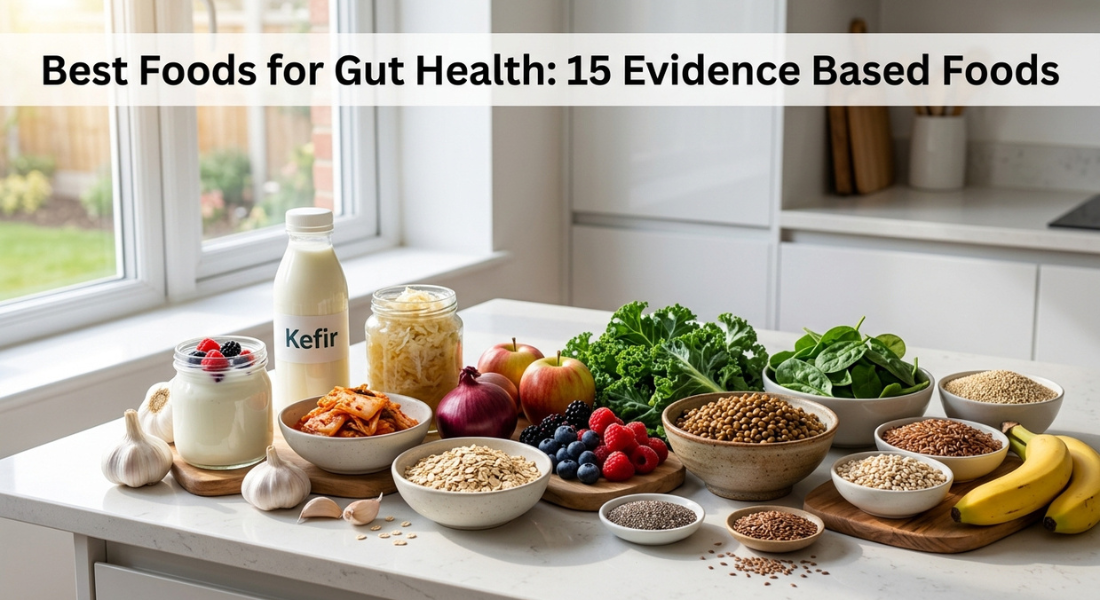
The best foods for gut health are those rich in fibre, live cultures, and natural plant compounds that help nourish beneficial gut bacteria and support normal digestion. Rather than relying on one "superfood" eating a varied selection of gut friendly foods is the most effective long term approach.
This guide explores the foods with the strongest evidence behind them and practical ways to enjoy them every day. Food choices are only one part of digestive wellness.
For a broader understanding of the gut microbiome, digestive health, symptoms, lifestyle habits, and related topics explore our complete Gut Health guide → see the full guide here.
Fermented foods provide live cultures that can complement a healthy gut microbiome.
Prebiotic foods such as garlic, onions, leeks, and artichokes help feed beneficial gut bacteria.
Fibre rich foods including oats, beans, lentils, whole grains, fruits, and vegetables support digestive health.
Eating a wide variety of plant foods is more effective than relying on one "superfood."
Small consistent food choices create a healthier eating pattern over time.
The best foods for gut health include live culture yoghurt, kefir, kimchi, sauerkraut, oats, beans, lentils, garlic, onions, bananas, apples, berries, leafy greens, whole grains, and seeds.
Together, these foods provide probiotics, prebiotics, dietary fibre, and beneficial plant compounds that help support a balanced gut microbiome and healthy digestion.

Fermented foods naturally develop beneficial live cultures during the fermentation process. Although the amount and type of microorganisms vary between foods regularly including fermented options alongside fibre rich meals may help support a more diverse gut microbiome and overall digestive health.
Live ulture yoghurt contains beneficial bacteria produced during fermentation. These cultures can complement the naturally occurring bacteria in your digestive system when eaten as part of a balanced diet.
Research published by the International Scientific Association for Probiotics and Prebiotics notes that fermented dairy foods containing live cultures may contribute to a healthy gut microbiome when consumed regularly.
Live culture yoghurt provides:
Probiotics
Protein
Calcium
Vitamin B12
Potassium
These nutrients support overall nutrition while the live cultures make yoghurt one of the most recognised gut riendly foods.
Choose plain yoghurt labelled "live and active cultures." Flavoured varieties often contain significant amounts of added sugar which can reduce their overall nutritional quality.
Greek yoghurt is another excellent option because it contains more protein while still providing beneficial live cultures.
Add fresh berries and oats.
Mix with chia seeds.
Use as a smoothie base.
Replace mayonnaise in dressings or dips.
Kefir is a fermented milk drink that generally contains a wider variety of beneficial microorganisms than standard yoghurt. This greater microbial diversity makes it a popular choice for supporting a balanced eating pattern.
Some kefir products contain dozens of different strains of bacteria and yeast although the exact composition depends on how the product is made.
Kefir provides:
Live cultures
Protein
Calcium
Vitamin B12
Magnesium
It also contains naturally fermented compounds that develop during the fermentation process.
Kefir is easy to include in daily meals.
Drink it on its own.
Blend it into fruit smoothies.
Pour it over oats.
Mix with berries for breakfast.
Sauerkraut is made by fermenting finely shredded cabbage. Along with dietary fibre from cabbage traditional sauerkraut contains naturally occurring live cultures that develop during fermentation.
It also provides vitamin C and several beneficial plant compounds commonly found in cruciferous vegetables.
Pasteurisation helps extend shelf life but also destroys most live cultures. If your goal is to enjoy fermented foods with naturally occurring bacteria choose refrigerated unpasteurised sauerkraut that specifically mentions live cultures on the label.
Sauerkraut pairs well with many savoury meals.
Add it to sandwiches.
Serve alongside grilled chicken.
Mix into grain bowls.
Include it in salads for extra texture.
Kimchi is a traditional Korean dish prepared by fermenting vegetables such as cabbage and radish with herbs and seasonings. The fermentation process creates naturally occurring live cultures while preserving the vegetables.
Kimchi combines two important features of a gut friendly diet. It contains dietary fibre from vegetables together with live microorganisms created during fermentation making it a valuable addition to meals when eaten regularly.
Small portions can easily complement everyday dishes.
Serve with brown rice.
Add to grain bowls.
Enjoy alongside eggs.
Include in stir fries after cooking.
Miso and tempeh are traditional fermented soy foods with distinct nutritional benefits. Tempeh provides protein, fibre, and fermented soybeans in one food while miso contributes flavour through fermented soybean paste that can be used in soups, marinades, and sauces.
To help preserve naturally occurring live cultures in miso stir it into warm not boiling liquids whenever possible. Tempeh benefits from steaming or marinating before cooking, helping improve both flavour and texture.
Simple ways to enjoy fermented soy foods include:
Miso soup.
Tempeh stir fries.
Grain bowls.
Salads.
Sandwich fillings.
According to the American Gut Project people who eat more than 30 different plant foods each week tend to have a more diverse gut microbiome than those consuming fewer than 10 plant foods. Greater dietary variety including fermented foods appears to support microbial diversity.
The World Health Organization also recommends diets rich in vegetables, fruits, legumes, and whole grains as part of healthy eating patterns that support overall health.
Prebiotic foods contain natural fibres that feed beneficial gut bacteria instead of adding new bacteria themselves. Eating a variety of prebiotic rich foods each week helps support microbial diversity and works particularly well alongside fermented foods as part of a balanced diet.
Garlic is one of the richest natural sources of inulin and fructooligosaccharides (FOS) two types of prebiotic fibre. These fibres pass through the digestive system largely undigested where they become food for beneficial gut bacteria.
Garlic also contains sulphur compounds and antioxidants that contribute to its nutritional value making it a versatile addition to everyday meals.
Garlic is easy to include in your diet.
Add fresh garlic to soups and stews.
Sauté it with vegetables.
Mix into pasta sauces.
Roast whole cloves as a side dish.
Onions provide natural prebiotic fibres including inulin that help nourish beneficial bacteria in the gut. They also contain antioxidants such as quercetin supporting a varied and nutrient rich eating pattern.
Both raw and cooked onions contribute valuable fibre although cooking creates a milder flavour that suits many dishes.
Simple ways to use onions include:
Add to salads.
Cook into curries.
Stir into soups.
Roast with vegetables.
Include in omelettes and sandwiches.
Asparagus supplies dietary fibre together with natural prebiotics that help support beneficial gut microbes. It also provides folate, vitamin K, and several antioxidants that contribute to overall nutritional quality.
Its mild flavour makes it easy to combine with a wide range of meals throughout the week.
You can enjoy asparagus in several ways.
Grill as a side dish.
Roast with olive oil.
Add to salads.
Mix into pasta dishes.
Include in vegetable stir fries.
Leeks belong to the same vegetable family as garlic and onions making them another excellent source of natural prebiotic fibre. They also provide vitamin K, manganese, and antioxidant compounds that complement a balanced diet.
Their mild slightly sweet flavour makes them suitable even for people who find onions too strong.
Try leeks in everyday meals by:
Adding them to soups.
Mixing into mashed potatoes.
Stir frying with vegetables.
Baking into savoury pies.
Using them in pasta sauces.
Slightly green bananas contain more resistant starch than fully ripe bananas. Resistant starch reaches the large intestine largely undigested where it can be fermented by beneficial gut bacteria.
As bananas ripen much of this resistant starch converts into natural sugars. Choosing bananas that are still slightly green can therefore provide a little more prebiotic benefit.
Slightly green bananas fit naturally into many meals.
Blend into smoothies.
Slice over porridge.
Add to overnight oats.
Spread with peanut butter for a snack.
Mix into homemade breakfast bowls.
Dietary fibre is one of the most valuable nutrients for supporting gut health. Eating a wide variety of fibre rich foods helps nourish beneficial bacteria while supporting normal digestion making plant diversity an important part of everyday eating.
Oats are rich in beta glucan a soluble fibre that helps feed beneficial gut bacteria while also supporting heart health. They are filling, affordable, and simple to include in a balanced diet.
Whole oats generally provide more fibre than highly processed breakfast cereals, making them a better everyday choice.
Easy ways to enjoy oats include:
Warm porridge.
Overnight oats.
Homemade muesli.
Smoothies.
Yoghurt parfaits.
Lentils combine dietary fibre with plant based protein making them one of the most nutritious legumes for digestive health. They also provide iron, folate, magnesium, and potassium. Their combination of nutrients supports both meal satisfaction and greater dietary variety.
Lentils work well in many dishes.
Lentil soup.
Vegetable curry.
Shepherd's pie.
Grain bowls.
Warm salads.
Beans are naturally rich in fibre and come in many varieties, including black beans, kidney beans, chickpeas, cannellini beans, and pinto beans. Rotating different types throughout the week increases dietary variety and provides a wider range of nutrients.
They are also a valuable source of plant protein making them suitable for many eating patterns.
Simple serving ideas include:
Add to salads.
Make bean chilli.
Blend into hummus.
Fill wraps.
Stir into soups and stews.
Whole grains provide more fibre than refined grains because they retain the bran and germ. Eating different whole grains regularly increases fibre intake while adding variety to meals.
Nutritious options include:
Brown rice
Barley
Quinoa
Whole wheat
Each offers slightly different nutrients making it worthwhile to rotate them rather than relying on only one grain.
Chia seeds and flaxseeds are small but nutrient dense. Both provide significant amounts of dietary fibre that support digestive health while helping create more satisfying meals.
These seeds also supply plant based omega 3 fatty acids particularly alpha linolenic acid (ALA) alongside minerals such as magnesium and manganese.
Adding seeds requires very little effort.
Stir into yoghurt.
Sprinkle over porridge.
Blend into smoothies.
Mix into salads.
Add to homemade baking.
According to the British Nutrition Foundation adults should aim for around 30 g of fibre each day yet average intakes in many countries remain below this recommendation.
Increasing fibre through whole foods is one of the simplest ways to support digestive health while improving overall diet quality.

Fruits and vegetables provide dietary fibre, vitamins, antioxidants, and natural plant compounds that support digestive health.
Eating a colourful variety throughout the week helps increase nutrient diversity while contributing to a balanced gut friendly eating pattern.
Apples are one of the best fruit sources of pectin a soluble fibre that nourishes beneficial gut bacteria. They also provide vitamin C and polyphenols making them a nutritious everyday snack.
Eating the skin adds extra fibre so wash apples thoroughly rather than peeling them whenever possible.
Simple ways to enjoy apples include:
Slice with almond or peanut butter.
Add to overnight oats.
Dice into yoghurt.
Mix into green salads.
Bake with cinnamon for a naturally sweet dessert.
Blueberries, raspberries, strawberries, and blackberries are rich in polyphenols natural plant compounds that work alongside dietary fibre to support a diverse gut microbiome.
They are also packed with vitamin C, antioxidants, and relatively high fibre for their serving size.
Berries fit easily into everyday meals.
Top Greek yoghurt.
Mix into porridge.
Blend into smoothies.
Sprinkle over whole grain cereal.
Add to homemade chia pudding.
Spinach provides fibre together with folate, vitamin K, iron, and antioxidants. It can be eaten raw or cooked making it one of the easiest vegetables to include regularly.
Kale is another fibre rich leafy green containing vitamins A, C, and K. Its robust texture works well in salads, soups, smoothies, and roasted vegetable dishes.
Swiss chard supplies fibre, magnesium, and potassium while adding colour and variety to meals. Rotating different leafy greens helps broaden your intake of beneficial nutrients.
Broccoli is a cruciferous vegetable that combines dietary fibre with vitamin C, vitamin K, and naturally occurring plant compounds. It is one of the easiest vegetables to include several times each week.
To retain both texture and flavour try:
Steaming.
Roasting.
Stir frying.
Adding to soups.
Mixing into pasta dishes.
Avoid overcooking as this can soften the texture and reduce some heat sensitive nutrients.
Artichokes are among the richest natural sources of inulin a prebiotic fibre that helps feed beneficial gut bacteria. They also provide potassium, folate, and antioxidants. Because of their high fibre content they make an excellent addition to a varied eating pattern.
Artichokes can be enjoyed in many ways.
Grill whole artichokes.
Add hearts to salads.
Mix into pasta.
Include on homemade pizzas.
Serve with roasted vegetables.
Different foods support gut health in different ways. Some supply live cultures, while others provide prebiotic fibres or plant compounds that nourish beneficial bacteria. Combining foods from each category creates a more balanced eating pattern than relying on a single ingredient.
Food | Main Benefit | Key Nutrient |
Live culture yoghurt | Supports beneficial bacteria | Probiotics |
Kefir | Encourages microbial diversity | Live cultures |
Garlic | Feeds beneficial bacteria | Prebiotic fibre |
Oats | Supports beneficial microbes | Beta glucan |
Lentils | Increases fibre diversity | Soluble fibre |
Apples | Supports normal digestion | Pectin |
Kimchi | Provides fermented vegetables | Live cultures |
Chia seeds | Adds fibre to meals | Dietary fibre |
Rather than choosing one "best" foo aim to combine fermented foods, fibre rich grains, legumes, fruits, vegetables, and seeds across the week. A varied diet provides a broader range of nutrients that work together to support digestive wellness.
Supporting gut health does not require complicated meal plans. Small consistent changes such as adding fermented foods, fibre rich ingredients, fruits, vegetables, and whole grains to familiar meals can make healthy eating easier to maintain over time.
Start your day with foods that naturally combine fibre and beneficial nutrients.
Greek yoghurt with berries.
Oats topped with banana and chia seeds.
Kefir blended into a fruit smoothie.
These breakfasts are quick to prepare and help increase plant diversity early in the day.
Lunch is a good opportunity to include legumes and whole grains.
Lentil soup with whole grain bread.
Mixed bean wrap with salad.
Whole grain quinoa salad with roasted vegetables.
Adding a side of fermented vegetables such as kimchi or sauerkraut can increase variety without much extra effort.
Evening meals can combine vegetables, whole grains, and protein rich foods into one balanced plate.
Grilled salmon with steamed broccoli.
Brown rice served with kimchi.
Vegetable chilli made with mixed beans.
Rotating ingredients during the week helps prevent meals from becoming repetitive while naturally increasing fibre intake.
Nutritious snacks can also contribute to a gut friendly eating pattern.
Apple slices with almonds.
Plain live culture yoghurt.
Vegetable sticks with hummus.
Choosing whole food snacks instead of highly processed options is an easy way to increase daily fibre and nutrient intake.
According to the American Heart Association adults who eat more fruits, vegetables, legumes, and whole grains are more likely to meet recommended fibre intake supporting both digestive and overall health.
Replacing refined or heavily processed foods with more nutritious alternatives is one of the simplest ways to improve your everyday diet.
Small food swaps can increase fibre intake, reduce added sugars, and make meals more supportive of digestive health without changing everything at once.
Instead Of | Choose |
Sugary yoghurt | Plain live culture yoghurt |
White bread | Whole grain bread |
Sugary cereal | Oats |
Crisps | Mixed nuts |
Sugary desserts | Fresh fruit with plain yoghurt |
These swaps are easy to maintain because they build on foods you already eat. Over time small improvements can add up to a more varied fibre rich eating pattern.

No single food can support gut health on its own. Eating a variety of fermented foods, fruits, vegetables, legumes, whole grains, nuts, and seeds throughout the week provides a broader range of nutrients that help maintain a balanced diet and support beneficial gut bacteria.
There is no single "best" food that works for everyone. Each food contributes different nutrients, fibres, and plant compounds so combining a wide range of foods is more beneficial than relying on one ingredient.
Aim to include different fruits, vegetables, whole grains, legumes, and fermented foods across the week rather than eating the same meals every day.
If your current diet is low in fibre increase your intake slowly. A sudden rise in fibre may cause temporary bloating or digestive discomfort while your body adjusts.
Drinking enough water alongside higher fibre foods also helps support normal digestion and makes the transition more comfortable.
Fermented foods can be part of a healthy routine but they do not need to appear in every meal. Adding foods such as live culture yoghurt, kefir, kimchi, or sauerkraut several times a week is a practical way to increase dietary variety.
Choose products with live cultures where appropriate and enjoy them alongside fibre rich foods for a balanced approach.
Healthy eating is about overall patterns not short term food trends. Meals that combine vegetables, whole grains, legumes, fruit, healthy fats, and quality protein naturally provide a wider range of nutrients than restrictive diets centred on a single "superfood."
Consistency matters far more than following the latest nutrition trend.
The best foods for gut health work together rather than individually. Fermented foods, prebiotic vegetables, fibre rich legumes, whole grains, fruits, vegetables, and seeds each provide unique nutrients that support a balanced eating pattern.
Instead of searching for one perfect food focus on eating a wider variety of plant foods and including fermented options regularly. Small consistent choices are more effective than quick fixes and can help support digestive wellness over the long term.
There is no single best food. A variety of fibre rich and fermented foods offers the greatest benefits.
Apples, berries, and slightly green bananas are excellent choices because they provide fibre and beneficial plant compounds.
No Fermented foods provide live cultures while fibre rich foods feed beneficial gut bacteria. Both are important.
Aim to include fermented foods several times a week as part of a varied diet.
Food is important but healthy lifestyle habits also support long term digestive wellness.
Limit foods high in added sugars and refined ingredients, and choose more whole fibre rich foods instead.






Reader Discussion
Leave a Reply